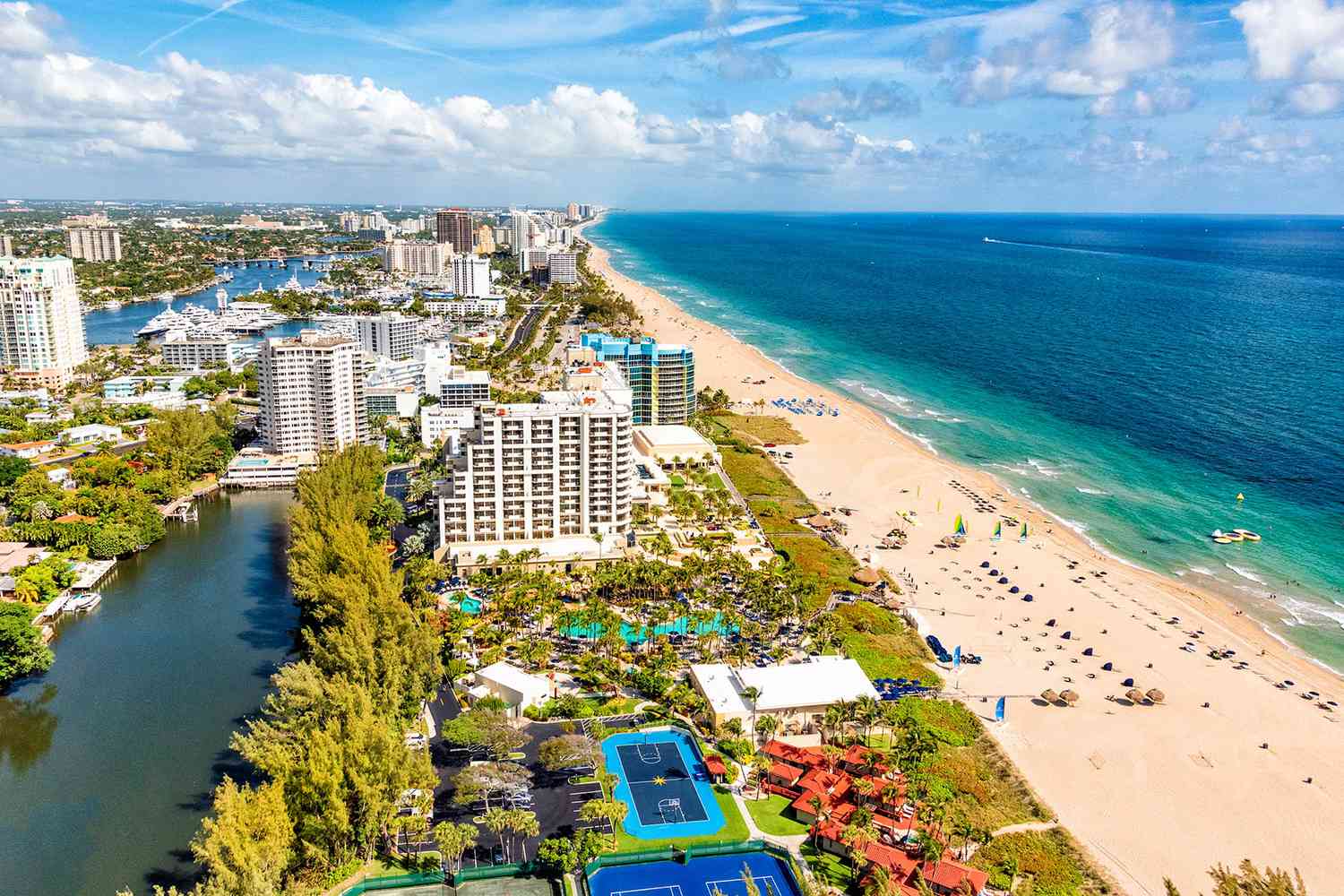
Planning a family trip on the East Coast usually comes down to a handful of variables that matter more than any list of attractions: how far you will need to walk, whether there is shade, what happens when a toddler needs a bathroom in the middle of a historic district, and whether the beach slope drops off fast or stays shallow for wading. The destinations below are organized around those realities. Each entry explains what makes the place work for kids of different ages, what the day actually feels like on the ground, and which conditions change the experience. Several entries include practical details—parking costs, stroller access, ticket rules, and timing—because those details decide whether a family day out goes smoothly or falls apart by noon.
1. Cape Cod, Massachusetts
More than 500 miles of shoreline divide Cape Cod into distinct beach personalities, and that variety is what makes it work for families with children at different ages. The calm, warm waters along Nantucket Sound on the south side suit toddlers and early swimmers; the tidal flats on the bay side are shallow enough that kids can walk hundreds of feet out at low tide and still be in ankle-deep water. The ocean-side beaches within Cape Cod National Seashore have bigger surf and steeper drop-offs, which makes them better for older kids and teens who want body surfing rather than for a parent managing a three-year-old near the waterline.
Herring Cove Beach in Provincetown has calm water, tidal pools for exploring, and a snack bar that operates in summer. The Province Lands Bike Trail connects nearby, and the beach is handicap accessible, which matters for families traveling with a stroller or a child who uses mobility equipment. Coast Guard Beach in Eastham is another family-friendly option with lifeguards in season, though parking fills early on summer mornings. The Cape Cod Rail Trail and Shining Sea Bikeway both offer shady, flat rides that work for kids on their own bikes or in a trailer.
For hands-on learning that does not feel like a museum visit, Hidden Hollow at Heritage Museums & Gardens in Sandwich has a giant treehouse, winding paths, and natural building materials where kids can climb and create. The Cape Cod Children’s Museum in Mashpee is another indoor option for rainy days. Whale-watching boats leave from Provincetown and Barnstable, and while the ride can be long for very young children, sightings of humpbacks and finbacks are common enough in summer that the payoff usually justifies the trip.
Note: Cape Cod traffic in July and August can turn a 20-minute drive between towns into an hour. Families who stay in one area—the mid-Cape around Hyannis and Yarmouth, or the lower Cape around Orleans and Eastham—spend less time in the car and more time at the beach. The Cape Flyer train from Boston runs on summer weekends and avoids the bridge traffic entirely, though it only serves the Hyannis area.
2. Bar Harbor and Acadia National Park, Maine
Acadia National Park surrounds Bar Harbor on Mount Desert Island, and the combination gives families a rare mix: ocean shoreline, granite mountains, and a walkable town with ice cream shops and a public library all within a few miles of each other. The park’s carriage roads are wide, crushed-stone paths closed to cars, which means kids on bikes or training wheels can ride without traffic. The Island Explorer shuttle connects Bar Harbor to trailheads and beaches, so a family can leave the car at the hotel and still reach most of the park.
Ship Harbor Trail in the southwest corner of the park is a gentle 1.2-mile figure-eight with minimal elevation gain and shady sections. At low tide, the tide pools along the shore expose starfish, crabs, and small fish, which keeps kids engaged for far longer than the walk itself. Wonderland Trail nearby is similarly flat and short. Jordan Pond Path is a 3.3-mile loop around a clear lake with views of the Bubbles, two rounded granite peaks; the Jordan Pond House at the trailhead serves popovers on a lawn where kids can run while parents sit.
For older kids and teens, the Beehive Loop is a short but exposed climb with iron rungs and ladders that feels like a real adventure without requiring technical gear. Cadillac Mountain, the highest point on the East Coast, is accessible by car, and catching sunrise from the summit is a memorable experience if your family is willing to wake up early. The park requires vehicle reservations for Cadillac Summit Road during peak season, so check the rules before you go.
Bar Harbor itself has a small beach at the town pier and a shoreline path that is stroller-friendly. Diver Ed’s Dive-In Theater takes families out on a boat where kids can handle sea creatures brought up from the ocean floor, and the narration is aimed squarely at children. Side Street Cafe and Geddy’s both have kids’ menus and casual atmospheres. The town gets crowded in summer, so booking lodging well in advance matters, especially for families who need a suite or a kitchen.
3. Lake George, New York
Lake George sits in the Adirondacks about an hour north of Albany, and its appeal for families comes from the concentration of activities around a single walkable village. Million Dollar Beach in Lake George Village has lifeguards, a gradual entry, and a picnic area, and it is within walking distance of arcades, mini-golf, and ice cream shops. The Lake George Steamboat Company runs cruises on the lake, including shorter one-hour trips that work for young children who cannot sit still for a full dinner cruise.
Great Escape theme park and water park in Queensbury has a dedicated kiddie area with small rides and a wave pool, plus a classic wooden roller coaster for older kids. The park is large enough to fill a full day, and families who stay nearby can split the visit across two mornings rather than trying to do everything in one exhausting stretch. For a slower pace, the Lake George area has several public beaches in Bolton Landing, Hague, and Lake Luzerne, each with playgrounds and picnic tables.
Mini-golf is a Lake George tradition. Pirate’s Cove and Goony Golf both have themed courses with caves, waterfalls, and oversized statues that keep kids entertained between putts. The Lake George Winter Carnival runs on weekends in February and includes ice fishing, chili contests, and fireworks, which makes the area a year-round destination rather than a summer-only stop.
One accessibility advantage: the village trolley runs along the main strip in summer, so families staying in motels outside the center can leave the car parked and still reach the beach and restaurants. Lake George KOA and several family campgrounds in the area offer pools, playgrounds, and organized activities for kids, which can reduce the pressure to fill every hour with an attraction.
4. The Poconos, Pennsylvania
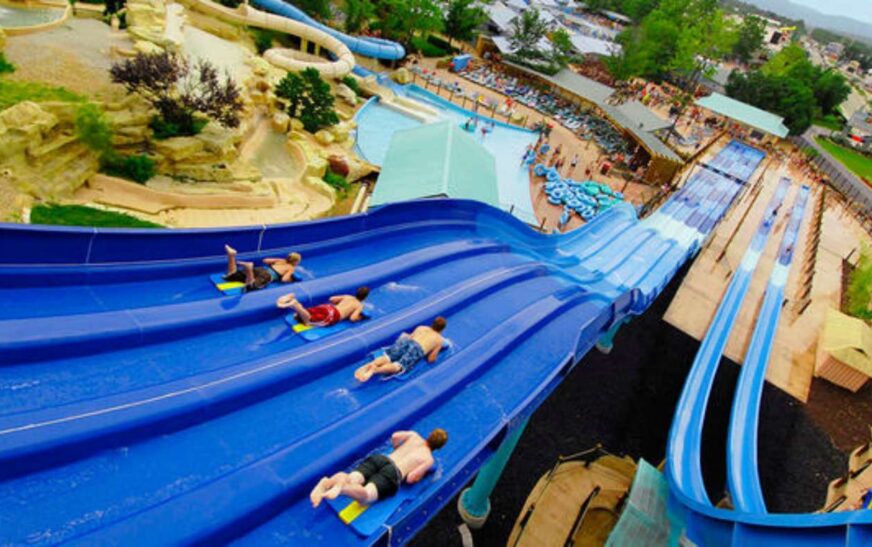
The Pocono Mountains in northeastern Pennsylvania have become a year-round family destination largely because of the indoor water park resorts clustered around the Poconos. Kalahari Resorts in Pocono Manor has a 220,000-square-foot indoor water park with a wave pool, lazy river, and slides for different age groups, plus an outdoor water park that operates in warmer months. Great Wolf Lodge in Scotrun includes water park admission with every overnight stay, which simplifies budgeting for families who want to build the day around swimming. Camelback Resort has both an indoor water park and a mountain adventure park with ziplines and a coaster.
Beyond the water parks, the Poconos offer hiking trails suitable for young children, including easy paths around Promised Land State Park and Tobyhanna State Park. Skytop Lodge has family hiking trails, paddle boating on a private lake, and organized nature scavenger hunts. The Lodge at Woodloch is an all-inclusive resort where meals and most activities are included, which appeals to families who prefer not to make decisions about every meal and outing.
Winter visits bring skiing and snow tubing at resorts like Camelback, Blue Mountain, and Shawnee Mountain. Many of these areas have dedicated beginner slopes and tubing runs that do not require ski experience, making them practical for families with young children. The Poconos also host county fairs and raceway events in summer, and the region’s network of state parks provides free or low-cost alternatives to the resort activities.
Driving times from New York City and Philadelphia are roughly two hours, which makes the Poconos a viable long-weekend destination rather than a full-week trip. Families who stay at a resort with an indoor water park can build in a rainy-day backup without leaving the property.
5. Cape May, New Jersey
Cape May sits at the southern tip of New Jersey and holds the distinction of being the oldest seaside resort in the country. The Victorian architecture and pedestrian-friendly Washington Street Mall give the town a slower, more contained feel than the boardwalk-heavy beaches farther north. For families, the key advantage is that the beach, the shops, and several attractions sit within a compact area, so you are not spending the day shuttling between distant parking lots.
The Cape May County Park & Zoo, about a 20-minute drive from the beach, has free admission and a mix of animals including giraffes, zebras, and capybaras. The zoo is surrounded by playgrounds and picnic pavilions, which makes it easy to combine an animal visit with lunch and free play. The Cape May Lighthouse at Cape May Point State Park has 199 steps to the top; the climb is manageable for school-age kids and the view from the top takes in both the Atlantic Ocean and Delaware Bay. The park itself has nature trails and a beach that is quieter than the main town beach.
The beach at Cape May has a gentle slope and calm surf on most days, with lifeguards in season. The promenade is flat and paved, suitable for strollers and bikes. For a break from the sun, the Harriet Tubman Museum and the Emlen Physick Estate offer indoor options that connect to the region’s history. Congress Hall, a historic hotel on the beachfront, has a lawn where kids can run and a casual restaurant that works for families.
One practical consideration: Cape May’s beaches require beach tags in summer, which can be purchased daily or weekly. The tags are enforced, so factor that into your budget. The Cape May-Lewes Ferry provides a novel way to cross to Delaware, and the 85-minute crossing gives kids a chance to be on a boat without committing to a full day on the water.
6. Ocean City, Maryland
Ocean City’s three-mile boardwalk is the center of family activity, and its concentration of amusement rides, arcades, and food stands within a walkable stretch makes it possible to fill a day without getting in the car. The boardwalk is flat and wide enough for strollers, and it is closed to cars for most of the day in summer. Trimper’s Rides at the south end has a historic carousel and gentle rides for young children; Jolly Roger Amusement Park and Splash Mountain Water Park at the north end add roller coasters, go-karts, and water slides for older kids.
The beach itself is wide and gently sloping, with lifeguards stationed along the entire length in summer. The surf is typically moderate, which means kids can body-board or jump waves without the stronger currents found farther south. Families who want a quieter beach experience can head to the northern end of the island, where the crowds thin out and parking is easier.
Beyond the boardwalk, Ocean City has mini-golf courses on nearly every block, a tram that runs the length of the boardwalk for tired legs, and bike rentals for early-morning rides on the boardwalk before it gets crowded. The Roland E. Powell Convention Center hosts family events throughout the summer. For a rainy day, the Ocean City Life-Saving Station Museum at the south end of the boardwalk offers a look at the town’s maritime history in a compact space that does not overwhelm young children.
Parking in Ocean City can be expensive and scarce in peak season. Families staying in a hotel or rental within walking distance of the boardwalk save both money and stress. The town also has a public bus system that runs along Coastal Highway, which is useful if you are staying farther from the boardwalk and do not want to move the car.
7. Virginia Beach, Virginia
Virginia Beach combines a three-mile oceanfront boardwalk with a separate bay side that has calmer water, and that split gives families a choice between the energy of the boardwalk and a quieter swimming experience. The oceanfront beach has lifeguards, a wide expanse of sand, and a boardwalk that is wide enough for biking and strolling. The Virginia Aquarium & Marine Science Center is a short drive from the oceanfront and includes exhibits with sea turtles, sharks, and otters, plus an adventure park with ropes courses and ziplines for older kids and teens.
First Landing State Park at the north end of the city offers hiking trails through cypress swamps and maritime forest, plus a beach on the Chesapeake Bay where the water is calm and shallow. The park is free to enter and has picnic areas, which makes it a low-cost alternative to the oceanfront for a morning or afternoon. Sandbridge, about 20 minutes south of the oceanfront, is a quieter residential beach community with rental houses that work well for families who want more space and a kitchen.
The boardwalk itself has a separate bike path, and several rental shops along Atlantic Avenue offer surreys, bikes, and helmets. The Atlantic Fun Park and Jungle Golf provide classic amusement options, and the boardwalk has playgrounds at intervals, which helps break up the walk for younger children. Virginia Beach also has a free trolley in summer that connects the oceanfront to nearby shopping and dining areas.
One advantage for families with infants or toddlers: the bay side of Virginia Beach, particularly around First Landing State Park and the Chesapeake Bay beaches, has very gentle wave action and shallow water for a long distance from shore. This is a different swimming experience from the oceanfront and is worth considering if your kids are not comfortable in surf.
8. Williamsburg, Virginia
Williamsburg works for families because it pairs immersive history with theme park entertainment in a way that lets you alternate between structured learning and pure fun. Colonial Williamsburg is a living history museum where costumed interpreters demonstrate trades, run military drills, and engage visitors in conversation. Kids can try on colonial clothing, watch a blacksmith work, and participate in scavenger hunts designed for different age groups. The historic area is walkable, but it covers several blocks, so a stroller or a wagon is useful for younger children.
Jamestown Settlement and the American Revolution Museum at Yorktown extend the history into hands-on territory. At Jamestown, kids can board replicas of the ships that arrived in 1607, explore a recreated fort, and walk through a Paspahegh town. The American Revolution Museum has interactive exhibits and outdoor living history areas where interpreters fire muskets and demonstrate colonial cooking. Both museums are designed for all ages, though the outdoor components are best in mild weather.
Busch Gardens Williamsburg provides the theme park counterpoint, with roller coasters for thrill-seekers and a dedicated area called Sesame Street Forest of Fun for younger children. The park has a European-themed layout with shows, animal encounters, and a train that circles the park. Water Country USA is a separate water park nearby with a wave pool and a lazy river that is long enough to feel like a real float rather than a short loop.
Great Wolf Lodge in Williamsburg has an indoor water park, which gives families a rainy-day option that does not require leaving the property. The historic area and the theme parks are about 15 to 20 minutes apart by car, so families who want to do both should plan for at least two days. Stroller rentals are available at Busch Gardens, and the park’s terrain includes some hills, which is worth knowing if you are pushing a stroller or managing a child with limited stamina.
9. The Outer Banks, North Carolina
The Outer Banks are a chain of barrier islands off the North Carolina coast, and their appeal for families comes from wide, uncrowded beaches, shallow sound-side water, and a pace that feels slower than the resort towns farther south. The beach at Nags Head and Kill Devil Hills has a gentle slope and moderate surf, with lifeguards in summer. The sound side, particularly around Kitty Hawk and Colington, has very shallow water that warms up earlier in the season, which works well for toddlers and early swimmers.
Jockey’s Ridge State Park in Nags Head has the tallest sand dune on the East Coast, and kids can run, roll, and slide down the sand without any equipment. The park is free to enter and has a visitor center with exhibits about the dune ecosystem. Hang gliding lessons are available for older kids and adults. The Wright Brothers National Memorial in Kill Devil Hills commemorates the first powered flight, and the site has a large open field where kids can run while parents read the exhibits.
For a different kind of beach day, the four-wheel-drive beaches at Carova and Corolla allow families to drive onto the sand, and wild horses roam the northern beaches. This is a unique experience, but it requires a vehicle with four-wheel drive and an understanding of tide tables. The Cape Hatteras Lighthouse, the tallest brick lighthouse in the country, has a climb that is manageable for school-age kids and provides a view of the entire island chain.
The Outer Banks are spread out, so a car is essential. Families who stay in one area—Nags Head and Kill Devil Hills for the central beaches, or Buxton and Hatteras for the more remote southern end—spend less time driving. The islands also have a network of multi-use paths for biking, and several rental shops offer trailers and tag-alongs for kids who cannot yet ride their own bike.
10. Myrtle Beach, South Carolina
Myrtle Beach is built around family entertainment, and the density of attractions along Ocean Boulevard and the boardwalk means you can walk from a ride to a restaurant to an arcade without moving the car. The SkyWheel, a 187-foot observation wheel, anchors the boardwalk, and Ripley’s Aquarium at Broadway at the Beach has shark tunnels and a touch tank. WonderWorks, an upside-down building with interactive science exhibits, is another indoor option that works on hot or rainy days.
The beach itself is wide with a gentle slope and lifeguards in season. The surf is usually moderate, and the water warms up earlier in the spring than beaches farther north. Families who want a quieter experience can stay in North Myrtle Beach, which has a more residential feel and less crowded beaches, while still being a short drive from the main attractions.
Broadway at the Beach is a shopping and entertainment complex with a lake, miniature golf, and a variety of restaurants with kids’ menus. The Pavilion Park amusement area inside Broadway at the Beach has rides aimed at younger children. For outdoor time, Brookgreen Gardens in Murrells Inlet has a children’s garden with interactive play areas, and Huntington Beach State Park has a beach that is less developed than the main strip and a nature center with exhibits on local wildlife.
Myrtle Beach has more than 80 golf courses, but for families the more relevant outdoor options are the go-kart tracks and mini-golf courses that line Kings Highway. The city also has a large number of vacation rentals with kitchens and multiple bedrooms, which can be more practical than hotel rooms for families who want to prepare some meals and have separate sleeping spaces for kids and parents.
11. Rehoboth Beach, Delaware
Rehoboth Beach has a classic boardwalk with a small amusement park at the south end called Funland, which has been operating since 1962 and includes rides for toddlers, a haunted house for older kids, and classic arcade games. The boardwalk is one mile long, flat, and wide enough for strollers, and the beach has lifeguards in summer. The town itself is walkable, with shops and restaurants clustered along Rehoboth Avenue and the side streets.
Cape Henlopen State Park at the north end of Rehoboth has ocean and bay beaches, a nature center with touch tanks, and miles of paved trails for biking. The park’s bay beach is calmer than the ocean side and has warmer water, which is useful for families with young children. The Indian River Life-Saving Station Museum south of Dewey Beach offers a look at the history of coastal rescue in a compact, child-friendly space.
For a break from the beach, Jungle Jim’s Adventure Park has go-karts, bumper boats, and a rock-climbing wall. The Rehoboth Toy & Kite Company on Rehoboth Avenue is a good stop for beach toys and kites, and the town has several ice cream shops within walking distance of the boardwalk. The Junction and Breakwater Trail is a crushed-stone path that connects Rehoboth to Lewes and is suitable for bikes with kids in trailers or on their own bikes.
Rehoboth can get crowded on summer weekends, and parking near the boardwalk fills early. The town has a park-and-ride lot on the outskirts with a shuttle, and several hotels are within walking distance of the beach. The beach itself requires a tag in summer, which can be purchased at the boardwalk or at kiosks near the beach entrances.
12. Newport, Rhode Island
Newport combines sailing, coastal scenery, and a walkable downtown in a compact area that works well for families. The Cliff Walk is a 3.5-mile path along the eastern shore that passes behind the Gilded Age mansions; the southern section is paved and stroller-friendly, while the northern section becomes rougher with rocky terrain. Brenton Point State Park at the southern end has open lawns, kite-flying, and picnic tables overlooking the ocean.
For kids who want to get on the water, Sail Newport offers youth sailing programs and family sailing experiences. The Mosquito Fleet program introduces kids as young as five to sailing in small boats. Classic Cruises of Newport and Sightsailing both welcome children on harbor cruises, and the schooner rides give kids a chance to help raise the sails. The Save the Bay Hamilton Family Aquarium has touch tanks and local marine life exhibits in a space that is small enough to hold a young child’s attention.
Easton’s Beach, also known as First Beach, has a gentle slope, lifeguards, and a snack bar. The beach is within walking distance of several hotels and has a playground nearby. Newport also has mini-golf, a carousel at the Gateway Center, and the Newport Historical Society’s museum with hands-on exhibits for kids. The International Tennis Hall of Fame has grass courts and a museum that appeals to older kids who play tennis.
Parking in downtown Newport can be tight in summer. The town has a trolley that connects the downtown area to the mansions and the beaches, which can reduce the need to move the car. Families who stay in the downtown area or along Bellevue Avenue can walk or take the trolley to most attractions.
13. Washington, D.C.
Washington, D.C., works as a family destination because the Smithsonian museums are free, which removes the pressure to “get your money’s worth” out of a single attraction and makes it easier to do short visits that match a child’s attention span. The National Museum of Natural History has dinosaur skeletons and a gem hall; the National Air and Space Museum has aircraft and spacecraft that appeal to kids of all ages. The National Zoo in Woodley Park is also free and has pandas, elephants, and a variety of exhibits spread across a hilly campus.
The National Mall is a large grassy area with monuments at intervals, and while walking the entire length is too much for young children, the area around the Washington Monument and the World War II Memorial is manageable. The Smithsonian Carousel on the Mall is a gentle ride that works for toddlers, and the U.S. Botanic Garden has a conservatory with plants from different climates, plus a children’s garden with interactive elements.
For a break from museums, the International Spy Museum has interactive exhibits where kids can go on a spy mission, and the National Building Museum has a large indoor play area called the Building Zone. Rock Creek Park has hiking and biking trails, and the Thompson Boat Center rents kayaks and paddleboats on the Potomac River. The Wharf development along the waterfront has restaurants, a fish market, and a free jitney that connects to other waterfront areas.
Getting around Washington without a car is easier than in most cities. The Metro system connects the Mall, the zoo, and most family attractions. Strollers are allowed on Metro, and elevators are available at most stations, though checking accessibility at specific stations before you travel is worthwhile. The city also has a Capital Bikeshare program with tag-alongs and child seats available at some stations.
14. Philadelphia, Pennsylvania
Philadelphia packs a large number of family attractions into a relatively small area, and the city’s history is presented in ways that work for kids. The Please Touch Museum in Fairmount Park is designed specifically for children and includes interactive exhibits about water, construction, and transportation. The Franklin Institute is a science museum with a giant walk-through heart, a planetarium, and hands-on experiments that appeal to a wide age range.
The Philadelphia Zoo, America’s oldest zoo, has a variety of animals and a children’s zoo area with opportunities to feed and interact with smaller animals. The Adventure Aquarium across the river in Camden, New Jersey, has shark tunnels and a hippo exhibit. The Museum of the American Revolution has exhibits that bring the Revolutionary War to life with artifacts, dioramas, and interactive displays that are accessible to school-age children.
For outdoor time, Franklin Square has a carousel, mini-golf, and a playground, and it is within walking distance of the Liberty Bell and Independence Hall. The Schuylkill River Trail is a paved path along the river that is suitable for biking and strolling with a stroller. Reading Terminal Market has a wide variety of food stalls where kids can choose their own lunch, and the market’s open layout makes it easy to find something that works for picky eaters.
Philadelphia is walkable in the historic areas, but the attractions are spread out enough that a car or public transit is useful for getting between neighborhoods. The city’s subway and bus system, SEPTA, connects Center City to the zoo, the museum district, and the stadium area. Families who stay in Center City can walk to the historic sites and take transit to the museums.
15. Boston, Massachusetts
Boston’s Freedom Trail is a 2.5-mile walking route that connects 16 historic sites, and while the full trail is too long for young children, families can break it into sections. The first mile, from Boston Common to the Old State House, includes the Massachusetts State House, the Park Street Church, and the site of the Boston Massacre. The Boston Tea Party Ships & Museum at the end of the trail is an immersive experience where visitors receive a colonial identity and participate in throwing tea overboard, which engages kids in a way that a traditional museum often does not.
The Boston Children’s Museum is one of the oldest and largest children’s museums in the country, with exhibits on science, culture, and the arts designed for kids from toddlers through elementary age. The Museum of Science has a large exhibit hall with interactive displays, a planetarium, and a butterfly garden. The New England Aquarium on the waterfront has a giant ocean tank with sea turtles and sharks, plus a touch tank where kids can handle sea stars and crabs.
For outdoor play, the Rose Kennedy Greenway has a carousel, fountains that kids can run through in summer, and a series of parks and gardens along the waterfront. Boston Common and the Public Garden have playgrounds, a pond with swan boats, and open lawns. The Frog Pond in Boston Common becomes an ice rink in winter and a spray fountain in summer. The Esplanade along the Charles River has paved paths for biking and strolling with views of the river and the city skyline.
Boston is a compact city with a good public transit system. The T connects the airport, downtown, and most family attractions. Strollers are allowed on the T, though elevators are not available at every station, so checking accessibility before you travel is worthwhile. Whale-watching cruises leave from the aquarium and run from spring through fall, offering a chance to see humpback and minke whales in the harbor.
16. Charleston, South Carolina
Charleston’s historic district is flat and walkable, with cobblestone streets, horse-drawn carriages, and waterfront parks that give kids room to run. The South Carolina Aquarium on the harbor has a sea turtle hospital, a touch tank, and exhibits on the ecosystems of the Lowcountry. The Children’s Museum of the Lowcountry has interactive exhibits about water, building, and the arts, designed for kids from toddlers through early elementary age.
Fort Sumter National Monument is accessible by ferry from Liberty Square or Patriots Point, and the boat ride itself is part of the experience for kids. The fort has a museum and ranger talks, and the ferry ride offers views of the harbor and the city skyline. Patriots Point Naval & Maritime Museum across the harbor in Mount Pleasant has an aircraft carrier, a submarine, and a destroyer that kids can explore, though the submarine requires climbing through narrow passages that may not work for very young children or adults with mobility limitations.
Waterfront Park has a pier, swings, and a large pineapple fountain that kids can splash in during warm weather. The battery and White Point Garden at the southern tip of the peninsula have shaded benches and views of the harbor. Sullivan’s Island and Isle of Palms are both family-friendly beaches within a short drive of downtown, with lifeguards in summer and gentle surf.
Charleston’s summer heat and humidity can be intense, so families visiting in July and August should plan indoor activities during the middle of the day and save outdoor time for mornings and evenings. The city’s historic homes and museums often have air conditioning, which makes them a good midday option. The Charleston City Market is a covered market where kids can watch sweetgrass basket weaving and pick out a small souvenir.
17. Savannah, Georgia
Savannah’s historic district is organized around a series of squares, each with live oaks, benches, and open space for kids to run. The squares are connected by streets that are easy to walk, and the flat terrain makes strollers practical. Forsyth Park at the southern end of the district has a large playground, a fountain, and plenty of shade, and it is a good place to let kids burn off energy after a morning of sightseeing.
The Georgia State Railroad Museum has historic train cars and a turntable that kids can see in operation, plus a chance to ride a train on select days. The Savannah Children’s Museum is an outdoor museum with interactive exhibits about water, building, and the natural environment, and it is designed for kids from toddlers through elementary age. The Ships of the Sea Maritime Museum has model ships and exhibits about Savannah’s maritime history in a space that is small enough for a short visit.
Tybee Island, about 20 minutes east of downtown Savannah, has a wide beach with gentle surf and a pier where families can fish or watch the sunset. The Tybee Island Marine Science Center has exhibits on local marine life and offers beach walks led by naturalists. The island also has a lighthouse that kids can climb, though the staircase is steep and the climb is best for older children.
Savannah’s summer heat is similar to Charleston’s, so the same advice applies: plan indoor or shaded activities during the middle of the day and save outdoor time for the morning and evening. The city’s trolley tours provide a narrated overview that helps kids understand the layout of the historic district, and the trolleys are open-air, which makes them more engaging than a bus tour for young children.
18. Hilton Head Island, South Carolina
Hilton Head Island is designed around biking and beach time, and the island’s network of paved paths makes it possible for families to leave the car parked for most of the trip. The paths connect resorts, beaches, and shopping areas, and the flat terrain means kids can ride their own bikes or ride in a trailer without struggling with hills. The beach at Hilton Head has a gentle slope and hard-packed sand near the waterline that is ideal for biking at low tide.
Harbour Town Lighthouse in Sea Pines has 114 steps to the top, and the view from the top takes in the harbor and the surrounding resort area. The Gregg Russell Concert under the Liberty Oak in Harbour Town is a family tradition that has been running for decades, with kids’ music and entertainment in an outdoor setting. The Sandbox, an interactive children’s museum, has exhibits about the Lowcountry environment and is designed for kids from toddlers through early elementary age.
For beach days, Coligny Beach Park has lifeguards, restrooms, and a splash pad, and it is within walking distance of shops and restaurants. The beach at Sea Pines and Palmetto Dunes is quieter and more residential, with rental houses and condos that work well for families who want more space. Dolphin cruises and shrimp trawling trips leave from several marinas on the island, and the naturalist-led tours often include opportunities for kids to handle sea creatures brought up in the nets.
Hilton Head is a resort island, and most families stay in villas or condos rather than hotels. This means having a kitchen and separate bedrooms, which can make a week-long stay more manageable with young children. The island also has a wide range of restaurants with kids’ menus, though the more casual options are concentrated in the Coligny Plaza area and in Shelter Cove.
19. Nantucket, Massachusetts
Nantucket is a small island about 30 miles off the coast of Cape Cod, accessible by ferry from Hyannis. The island’s main town has cobblestone streets, a whaling museum, and a harbor that is shallow and calm enough for young kids to wade. Children’s Beach in Nantucket Town has a playground, calm water, and a picnic area, making it one of the most family-friendly beaches on the island. The Nantucket Whaling Museum has exhibits on the island’s whaling history, including a sperm whale skeleton and a rooftop observation deck with views of the harbor.
The island has a network of bike paths that connect the town to the beaches and the cranberry bogs in the center of the island. The paths are mostly flat and paved, which makes them suitable for families with kids on their own bikes or in trailers. Surfside Beach and Madaket Beach on the south and west shores have bigger surf and are better for older kids and teens who want to body-board. The north shore beaches, including Jetties Beach, have calmer water and are closer to town.
Nantucket’s historic district is walkable, and the town has a small aquarium and a discovery center that offer indoor activities for kids. The island also has a variety of ice cream shops and casual restaurants within walking distance of the ferry terminal. Because Nantucket is a popular destination, lodging books up early in summer, and prices are higher than on the mainland. Families who plan ahead and book a house or condo with a kitchen can offset some of the cost.
The ferry ride from Hyannis takes about an hour on the fast ferry and two hours on the traditional ferry. The fast ferry is more expensive but saves time, which matters for families with young children who may not enjoy a long boat ride. Once on the island, a car is helpful for reaching beaches outside the town, though the bike paths and a seasonal shuttle bus provide alternatives.
20. Martha’s Vineyard, Massachusetts
Martha’s Vineyard is another island destination off the Cape Cod coast, accessible by ferry from Woods Hole, Falmouth, and Hyannis. The island has six towns, each with a different character, and the variety means families can choose between the busier harbor town of Oak Bluffs and the quieter up-island towns of Chilmark and Aquinnah. Oak Bluffs has a historic carousel, a wide beach at Inkwell Beach with calm water, and a dense cluster of restaurants and shops within walking distance of the ferry.
Edgartown has a lighthouse, a harbor with a small beach, and a walkable downtown with ice cream shops and a bookstore. The Mytoi Garden on Chappaquiddick is a Japanese-style garden with a pond and walking paths that is accessible by a small ferry from Edgartown. The Felix Neck Wildlife Sanctuary in Edgartown has trails through woods and marshes, plus a nature center with exhibits on local wildlife and a touch tank.
The island has a network of bike paths, including a paved path that runs from Oak Bluffs to Edgartown and another that goes to South Beach. The terrain is mostly flat, and the paths are separate from the main roads, which makes them safer for families with kids on bikes. South Beach and State Beach have lifeguards in summer, and the surf is moderate. Menemsha Beach on the west end of the island faces the sunset and has calm water and a small fishing harbor where kids can watch boats come in.
Martha’s Vineyard is a popular summer destination, and the ferries from Woods Hole fill up quickly, especially for cars. Families who travel without a car can use the island’s bus system, which connects the main towns and beaches. The bus allows bikes, and the fare is low, which makes it a practical option for families who want to explore without the expense and hassle of bringing a car on the ferry.
21. Block Island, Rhode Island
Block Island is a small island about 13 miles south of the Rhode Island coast, accessible by ferry from Point Judith. The island has 17 miles of beaches, a national wildlife refuge, and a pace that feels removed from the mainland. Crescent Beach on the east side of the island has gentle surf and is within walking distance of the ferry landing and the main hotel. The beach at Ballard’s has a calm inlet that works well for young children, plus a restaurant and outdoor seating.
The Block Island National Wildlife Refuge at the north end of the island has trails through dunes and grasslands, and the beach at the north end is a nesting area for piping plovers and other shorebirds. The Southeast Lighthouse at the south end of the island has a museum and a view of the Atlantic that stretches for miles. The island’s roads are flat enough for biking, and several rental shops near the ferry offer bikes with trailers and child seats.
Block Island has a small downtown with restaurants, shops, and ice cream stands within a few blocks of the ferry. The island also has a nature center with exhibits on local wildlife and a touch tank. For a rainy day, the island’s historical society museum has exhibits on the island’s history, including its role as a Victorian-era resort. Because the island is small, families can cover most of it in a day or two, which makes it a good addition to a longer Rhode Island or Connecticut trip rather than a standalone week-long destination.
The ferry ride from Point Judith takes about an hour, and the traditional ferry allows cars, though reservations are recommended in summer. The fast ferry is passenger-only and takes about 30 minutes. Families who travel without a car can rent bikes or use the island’s taxi service to reach beaches and trails outside the downtown area.
22. Portland, Maine
Portland combines a working waterfront, a historic district, and easy access to beaches and islands, making it a good base for a family trip to southern Maine. The Children’s Museum & Theatre of Maine in Portland has interactive exhibits on science, culture, and the arts, plus a theater that produces shows for young audiences. The Portland Observatory on Munjoy Hill is a historic signal tower with a view of the harbor and the city, and the climb is manageable for school-age kids.
The Old Port district has cobblestone streets, brick buildings, and a variety of restaurants and shops. The waterfront has a ferry terminal with trips to the Casco Bay islands, including Peaks Island, which has a beach, a bike rental shop, and a small grocery store. The Eastern Promenade has a playground, a beach, and a paved trail along the water that is suitable for strollers and bikes. The Portland Museum of Art has a collection that includes works by Winslow Homer and other American artists, and the museum offers family programs on weekends.
For a day trip, the Maine Narrow Gauge Railroad in Portland runs a short train ride along the waterfront that appeals to young children. The Portland Head Light in Cape Elizabeth, about 15 minutes south of the city, is one of the most photographed lighthouses in the country and sits in a park with picnic tables and open lawns. The beach at Crescent Beach State Park in Cape Elizabeth has a gentle slope and is less crowded than the beaches closer to the city.
Portland is a walkable city, and the Old Port and waterfront areas are compact enough to explore on foot with a stroller. The city also has a bus system that connects the downtown to the beaches and the mall area. Families who want to explore the surrounding area will need a car, but for a city-focused trip, Portland works well without one.
23. St. Augustine, Florida
St. Augustine is the oldest continuously inhabited European settlement in the United States, and its historic district is compact enough to explore on foot. The Castillo de San Marcos, a 17th-century stone fortress, has ranger talks and cannon firings that engage kids in a way that a traditional museum often does not. The fort’s walls are thick and the grounds are open, which gives kids room to run while parents take in the view of the harbor.
The St. Augustine Alligator Farm Zoological Park has a large collection of alligators and crocodiles, plus a zip line that goes over the alligator pools. The park also has a bird rookery where herons, egrets, and spoonbills nest in trees above the alligator enclosures. The Colonial Quarter is a living history area with demonstrations of blacksmithing, candle-making, and other colonial trades, and the Oldest Wooden School House is a small museum that kids can walk through in a few minutes.
For beach time, St. Augustine Beach on Anastasia Island has a gentle slope, lifeguards in summer, and a pier where families can fish or watch the surfers. The beach is about a 15-minute drive from the historic district, and parking is available near the pier. The St. Augustine Lighthouse & Maritime Museum has a climb of 219 steps to the top, plus a shipwreck exhibit and a playground on the grounds.
St. Augustine’s historic district has narrow brick streets and some uneven sidewalks, which can be challenging with a stroller. The Castillo and the Colonial Quarter are both accessible, but some of the smaller museums and shops have steps. Families with very young children may find the beach and the Alligator Farm more manageable than a full day of historic site visits.
24. Destin, Florida
Destin sits on the Florida Panhandle along what locals call the Emerald Coast, and the beach sand is made of pure Appalachian quartz that stays cool underfoot and looks bright white against the green water. The water is shallow and clear close to shore, and the waves are usually gentle, which makes it a good beach for families with young children. Henderson Beach State Park has a mile of beach, a playground, and picnic pavilions, and the park is less developed than the beaches along the main strip.
Crab Island is a shallow sandbar in the bay where families can anchor boats or take a water taxi and wade in waist-deep water. Vendors sell food and drinks from boats, and the atmosphere is relaxed and family-friendly during the day. The Gulfarium Marine Adventure Park on Okaloosa Island has dolphin and sea lion shows, plus exhibits with sea turtles, sharks, and rays. Big Kahuna’s Water & Adventure Park has a water park with slides and a lazy river, plus go-karts and mini-golf.
For a break from the beach, the Destin History & Fishing Museum has exhibits on the town’s fishing heritage, and the HarborWalk Village has shops, restaurants, and a zip line that runs over the harbor. The Destin area also has a number of golf courses and tennis facilities, and several resorts offer kids’ clubs and organized activities. The beaches at Miramar Beach and Sandestin are slightly less crowded than the main Destin beaches, and they have the same clear water and white sand.
Destin is a popular summer destination, and traffic on the main highway through town can be heavy in July and August. Families staying in a beachfront condo or a house within walking distance of the beach can avoid some of the traffic. The area also has a large number of vacation rentals with kitchens and multiple bedrooms, which is practical for families who want to prepare some meals and have separate sleeping spaces.
25. Niagara Falls, New York
Niagara Falls is one of the most powerful natural attractions on the East Coast, and the experience of standing at the edge of the falls is something that stays with kids. The Maid of the Mist boat tour takes visitors close to the base of the American and Horseshoe Falls, and the ponchos provided keep everyone reasonably dry. The Cave of the Winds tour at the base of the American Falls includes wooden walkways that go right up to the falls, and while it involves stairs and wet conditions, it is manageable for school-age children who are steady on their feet.
The Niagara Falls State Park is the oldest state park in the country, and it has paved paths, picnic areas, and a visitor center with exhibits about the history and geology of the falls. The Observation Tower extends over the gorge and provides a view of both the American and Horseshoe Falls. The Niagara Scenic Trolley connects the main attractions within the park, which is useful for families who want to avoid a long walk between sites.
For a different perspective, the Niagara Parks Butterfly Conservatory on the Canadian side has thousands of butterflies in a tropical greenhouse, and the Niagara Parks Botanical Gardens have open lawns and a small train ride. The Aquarium of Niagara on the New York side has sea lion shows, penguins, and a touch tank. The area also has several mini-golf courses and arcades, which provide a break from the falls-focused sightseeing.
Families traveling with young children should be aware that the walkways at the falls can be wet and slippery, and the railings at some viewpoints have gaps that require close supervision. The Cave of the Winds tour requires climbing stairs and walking on wet, uneven surfaces, so it is not suitable for toddlers or children who need to be carried. The Maid of the Mist is a better option for families with very young children, as the boat is stable and the ride is short.
Niagara Falls is accessible from Buffalo by car or by train, and the Amtrak station is within walking distance of the state park. Families who stay on the New York side can walk to the falls and the main attractions, which reduces the need to move the car. The Canadian side has more hotels and attractions, but crossing the border requires a passport or other approved documentation for each family member, including children.