Nashville works well for families largely because its best attractions for children sit within a compact radius of downtown and the surrounding neighbourhoods. You are not driving two hours between stops. Most of what a family with young children or teenagers will want to see is either in the city centre, along the Cumberland River, or within a twenty-minute drive of the hotel district.
The trade-off is heat, walking load, and time-of-day logistics. Nashville summers are hot and humid, the downtown core involves significant pavement time, and several major attractions have opening hours that do not align with a toddler’s afternoon nap. Planning around those constraints matters more than trying to tick off every option. This guide covers the attractions that genuinely work for families, what each one costs, how long to allow, and which ages get the most from each stop.
Nashville Zoo at Grassmere
The zoo is the single largest family attraction in Nashville by physical scale, and it is the one most families return to if they have more than two days in the city. It sits on 188 acres south of downtown, with more than 6,000 animals across 350-plus species. You are walking a real zoo, not a compact city park, which means the experience is closer to a half-day commitment than a quick morning stop.
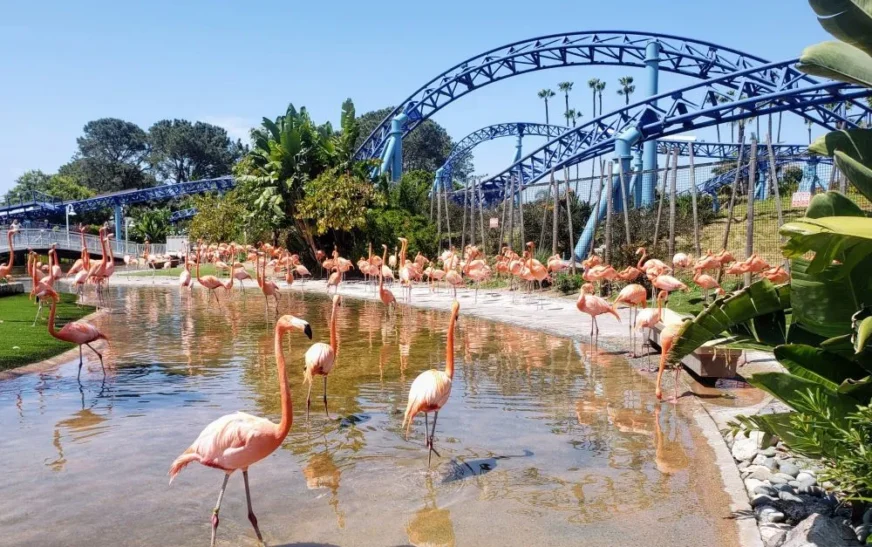
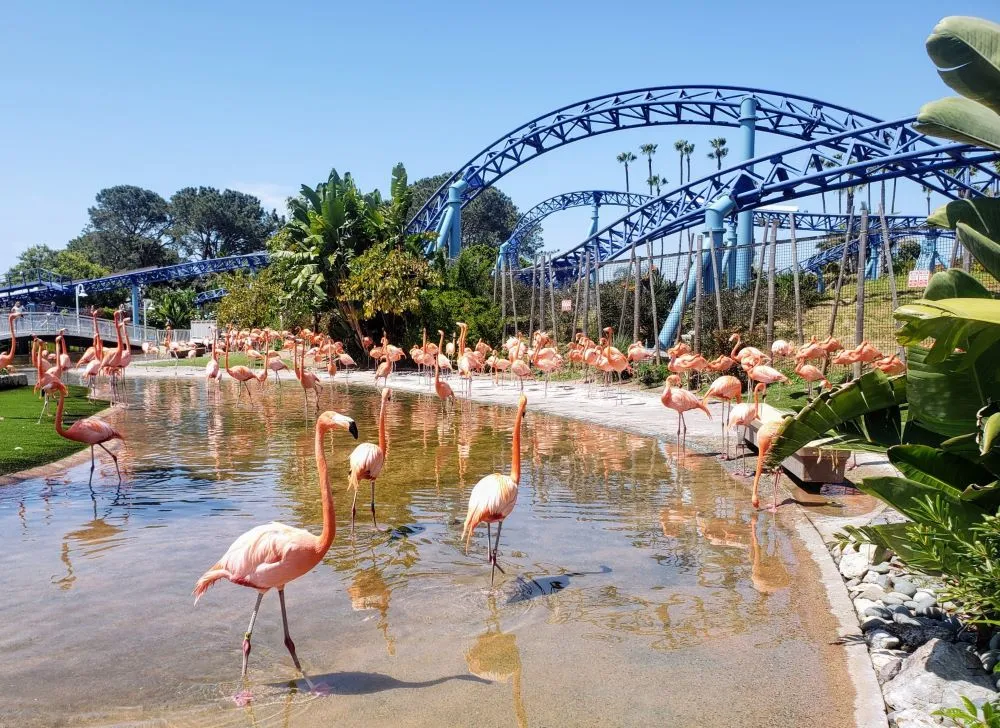
The layout has changed in recent years with the opening of a South American multi-species habitat bringing capybaras, giant anteaters, and rheas into one shared space. The zoo also runs a full daily schedule of keeper chats, animal shows, and feedings, which is the main tool for holding younger children’s attention between larger exhibits. The Wild Works animal show runs multiple times daily, and the flamingo parade is a short, high-impact stop for toddlers who are losing interest in walking.
Strollers are practical across most of the zoo, though some of the boardwalk sections are narrow during peak times. The zoo rents single strollers for $11 and also offers wheelchairs and electric scooters on a first-come, first-served basis. Bringing your own stroller or wagon is fine. Parking is $10 per vehicle and is generally plentiful except on peak summer weekends and during special events.
Zoo Tickets
Ticket prices vary by date rather than being fixed. Adults and teens pay between $16 and $26 depending on the day, youth aged 2 to 12 pay $4 less than the adult rate, and children under 2 enter free. The pricing model means a weekday visit outside school holidays is materially cheaper than a Saturday in July. You can check the exact price for your date on the zoo’s ticket page before committing.
Opening hours also change seasonally. From early March through mid-October, the zoo is open 9 a.m. to 6 p.m. From mid-October through early March, it closes at 4 p.m. Those winter hours are worth noting because they cut the usable day significantly, and the zoo is large enough that a 4 p.m. close means you need to arrive by late morning to see it properly.
Allow three to four hours for a full visit with children. Families with toddlers who need a midday nap often split the visit across two mornings rather than pushing through in one stretch. The zoo is accessible from either I-65 or I-24 at the Harding Place exit, and the drive from downtown is roughly fifteen to twenty minutes depending on traffic.
Adventure Science Center
The Adventure Science Center is the strongest rainy-day option in Nashville for children who are old enough to engage with hands-on exhibits. It holds more than 175 interactive exhibits across 44,000 square feet, and the building is designed so that children move between stations rather than walking past static displays. The centrepiece for most younger visitors is the adventure tower, which lets children climb through a multi-level structure, and the Sudekum Planetarium’s 63-foot dome.
The science centre works particularly well for school-age children between roughly five and twelve. Toddlers can use some of the sensory and building areas, but a significant portion of the exhibits assumes a level of manual dexterity and reading that younger children will not have. Teenagers who are already interested in science or engineering tend to engage well; teenagers who are not will move through the building quickly.
Allow two to three hours for exhibits alone. If you add a planetarium show or the full-motion simulator, budget closer to three to four hours. The planetarium is a separate add-on cost rather than included in general admission, so decide at the ticket desk whether you want the combination.
Adventure Science Center
General admission is $22 for adults and $18 for youth aged 2 to 12. Children under 2 are free. Planetarium shows add $9 per person, and laser shows add $13. Combo tickets covering admission plus a show are available and reduce the total slightly compared with buying separately.
The centre is open Monday, Thursday, and Friday from 9 a.m. to 3 p.m., and until 5 p.m. on Saturdays and Sundays. It is closed on Tuesdays and Wednesdays. That early weekday close at 3 p.m. catches people out. If you are planning a weekday visit, arrive by 10 a.m. to get a full run at the exhibits.
Parking is free and on-site. The science centre sits in the Wedgewood-Houston area, about three miles south of downtown. Time-ticketing has been in effect at various points, so it is worth calling ahead on 615-862-5160 to confirm whether you need to reserve an entry slot for your date.
Country Music Hall of Fame and Museum
The Country Music Hall of Fame is the most practical introduction to Nashville’s music history for families because it is indoors, climate-controlled, and offers structured activities that give children something to do beyond looking at cases. The museum sits in downtown Nashville and is a straightforward add-on to a day that already includes Broadway or the riverfront.
The Young Explorer Kit is the main family tool here. It is a free activity guide available at the box office and information desk, designed for children aged roughly 2 to 7. It turns the museum into a scavenger hunt rather than a passive walk-through. For children in that age range, the kit is the difference between a forty-minute visit and a two-hour one.
The museum also runs a regular programme of family workshops in the Taylor Swift Education Center on the third floor. These include instrument workshops covering acoustic guitar, electric guitar, banjo, fiddle, mandolin, ukulele, and voice; art programmes such as sewing, costume design, painting, and leather craft; songwriting sessions led by professional songwriters; and dance lessons covering square dancing, clogging, and line dancing. Most workshops run on Saturdays, with additional Friday sessions during summer, spring, and fall breaks.
Fam Jam is a monthly participatory music-making session designed for families with children aged 5 and under. It runs on the second Saturday of each month and focuses on introducing young children to country music instruments through movement and play. Song and Story Time is a separate preschool programme for ages 2 to 5 that combines a book, a song, gallery exploration, and a hands-on art activity.
During the summer, the museum increases its daily family programming between Memorial Day and mid-August. This includes a musical instrument petting zoo, dance workshops, friendship bracelet making, and String City, a puppet show telling the story of Nashville’s music tradition using marionettes and shadow puppets. String City runs during the summer and the weekend following Thanksgiving.
Allow two to three hours for a family visit that includes a workshop or the Young Explorer Kit. Without structured activities, younger children will move through faster. The museum is fully indoors and works in any weather. It is the most reliable single stop for families who want a music-related experience without navigating the noise and crowding of Broadway.
Tennessee State Museum
The Tennessee State Museum is free to enter and holds one of the strongest children’s galleries in the city. The combination of no admission cost and a dedicated hands-on space for young children makes it one of the highest-value family stops in Nashville, particularly for families on a budget or those looking for an indoor option that does not require a ticket purchase decision.
The Children’s Gallery is designed for children aged 3 to 8, with a layout that encourages movement and play rather than passive viewing. Children can walk across a giant map of Tennessee, stop at interactive stations, try on period and rock-and-roll costumes in the West Tennessee area, operate an earthquake table, run a farmer’s market, play with trains, and trace fossils. The gallery is whimsical in design and uses Tennessee’s state symbols as its visual framework.
Storytime in the Children’s Gallery runs every Tuesday and Saturday at 10:30 a.m. and is aimed at children aged 3 to 6. On the fourth Saturday of each month, Storytime includes an American Sign Language interpreter. The Children’s Gallery closes at 4:30 p.m., half an hour before the rest of the museum, which is worth noting if you are arriving late in the day.
The wider museum covers Tennessee history from prehistoric times through the Civil War and into the modern era. The Tennessee Time Tunnel is a walk-through timeline that works for older children and teenagers who can follow a chronological narrative. Younger children will get more from the Children’s Gallery than from the main exhibits.
Tennessee State Museum
The museum is open Tuesday through Saturday from 10 a.m. to 5 p.m., and Sunday from 1 p.m. to 5 p.m. It is closed on Mondays. The Children’s Gallery follows the same days but closes at 4:30 p.m. Admission is free, and parking is also free. The museum is located at 1000 Rosa L. Parks Boulevard, adjacent to the Bicentennial Capitol Mall State Park and the Nashville Farmers’ Market.
Family bathrooms with changing tables are available on the first floor. The museum also runs a Junior Curators blog aimed at younger readers, which can be a useful way to prepare children for what they will see before arriving.
Cheekwood Estate and Gardens
Cheekwood is a 55-acre botanical garden and historic estate in the Belle Meade area, west of downtown. It is not a traditional children’s attraction, but it has invested significantly in family-oriented features that make it a strong option for families who want an outdoor day that is less physically demanding than the zoo and more varied than a standard park.
The Bracken Foundation Children’s Garden is the core family space. It spans two acres and includes interactive water features, tunnels, and a storybook trail based on The Little Engine That Could. The Enchanted Express is a miniature train exhibit that routes a working toy train through a garden structure, and it is one of the most reliable attention-holders for younger children on the property. The TRAINS! exhibit is seasonal but runs for an extended period and is worth checking against your visit dates.
Cheekwood’s wider appeal comes from its rotating seasonal programming. Spring brings tulips and blooms, fall brings mums and pumpkin displays, and the winter Holiday LIGHTS event covers the grounds in illuminated displays. The estate also hosts seasonal family events with hands-on activities, storytime, and food trucks. The gardens are walkable with a stroller on the main paths, though some of the more informal garden areas have uneven surfaces.
Allow two to three hours for a family visit. The estate is large enough that you can spread out and avoid crowding, which is a meaningful advantage over downtown attractions during busy periods. Parking is available on-site and is generally straightforward.
Cheekwood Tickets
Adults pay from $26 and children from $19. The estate is open Tuesday through Sunday from 9 a.m. to 5 p.m. and is closed on Mondays. The drive from downtown takes roughly twenty to twenty-five minutes via I-440 West. Cheekwood is a particularly good fit for families with mixed ages, where older children can explore the gardens independently while younger children use the children’s garden.
Nashville Shores Water Park
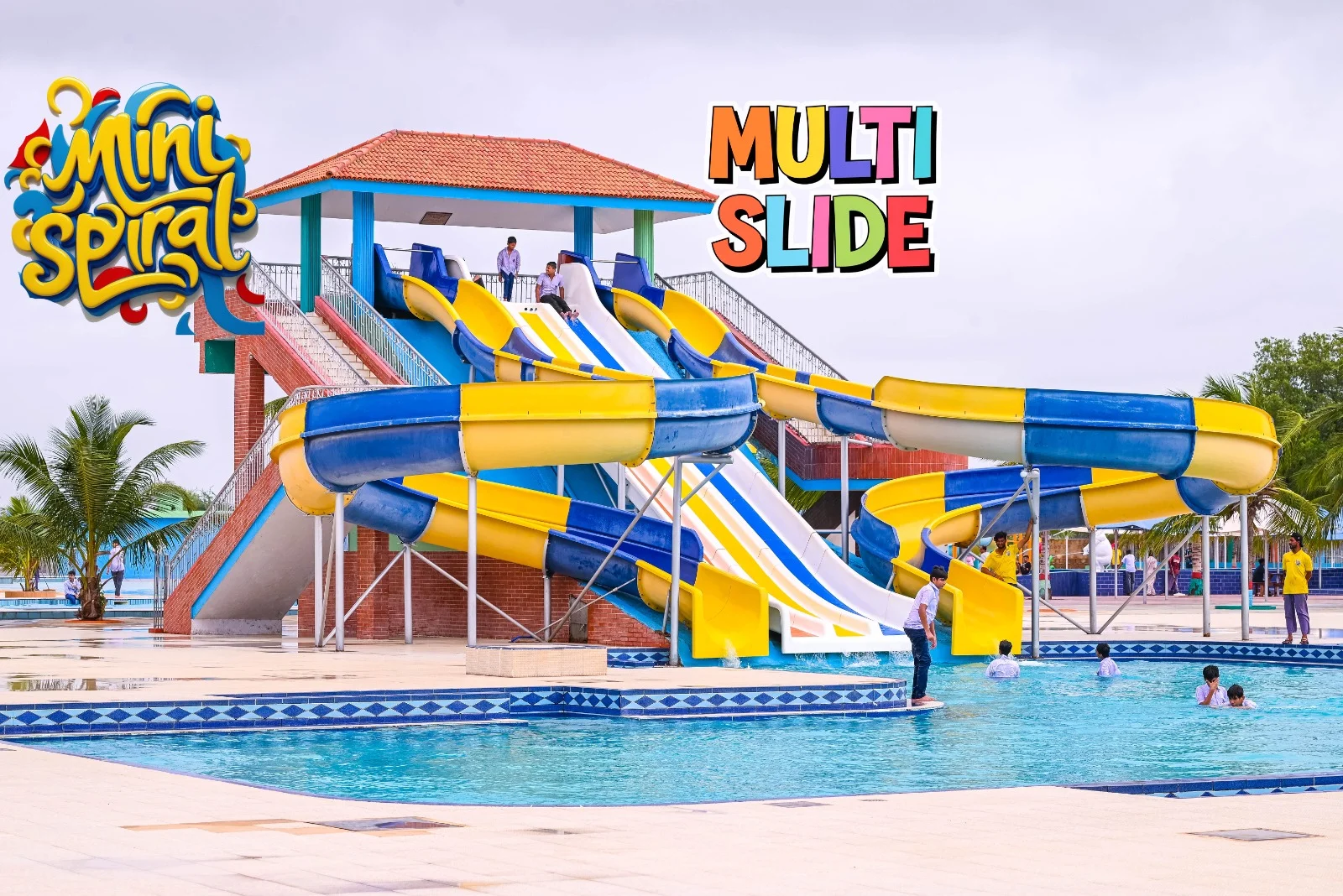
Nashville Shores is the largest water park in the Nashville area and the one that requires the most planning. It sits on Percy Priest Lake, about ten miles from downtown, and operates seasonally from early May through the summer. The park holds more than a million gallons of water across ten large slides, a wave pool, a lazy river, a floating aqua park, and two dedicated children’s zones.
Kowabunga Beach and Barefootin’ Bay are the two areas designed for younger children. Both are water treehouse and sprayground setups with shallow water, small slides, and interactive spray features. The Aqua Park is the floating obstacle course on the lake itself and has strict requirements: participants must be at least 48 inches tall and at least 7 years old. Life jackets are required and are provided free of charge. The Aqua Park is first-come, first-served and requires a signed waiver.
Height requirements vary across the larger slides. Mega Mayhem and Tennessee Twisters require a 48-inch minimum. Riptide Racer, Big Kahuna, the Big Scream, and Thunder and Lightning require 42 inches. Twin Cyclones requires 36 inches. If you have children of different heights, check the restrictions before promising a specific slide. The park’s junior admission rate applies to guests shorter than 48 inches, which gives a price break for the children who are limited to the smaller attractions.
Nashville Shores
General admission at the gate is $59.99 plus tax for guests 48 inches and taller, and $39.99 plus tax for junior admission under 48 inches, seniors 62 and older, and military. Children 2 and younger are free. Twilight tickets are discounted and available after 4 p.m. Parking is $18 whether paid online or at the park. Advance online purchase is generally cheaper than gate pricing.
The park is open daily from 10 a.m. to 6 p.m. during the season, with closing hours varying for special events. Nashville Shores also operates a campground with RV sites and cabins, which is a practical option for families who want to combine a water park day with an overnight stay outside the city. The site is a lakeside resort rather than a standalone water park, and the lake rentals, including pontoon boats and jet skis, are separate from water park admission.
Frist Art Museum
The Frist Art Museum is the most family-accessible art museum in Nashville, primarily because of Martin ArtQuest, its interactive art-making space. ArtQuest is included with general admission and gives children a hands-on creative experience that runs alongside whatever exhibitions are on view. It includes stations for drawing, painting, printmaking, and animation, and the activities rotate to connect with the current exhibitions.
Guests 18 and younger are always free at the Frist. That makes it a low-risk option for families who want to try an art museum without committing to a full ticket price for children who may lose interest quickly. Adults pay general admission, which varies by exhibition. The museum is open daily, with hours that generally run from 10 a.m. to 5:30 p.m.
Family Sundays run on selected Sundays each month and include drop-in art activities, family tours, and multisensory gallery experiences. Martin ArtQuest is open every Sunday from 1 p.m. to 5:30 p.m. The café, Café Cheeserie, has a kid-approved menu and is a practical lunch stop if you are spending a half-day in the downtown area.
The Frist works best for children who are old enough to engage with art-making activities independently, roughly age four and up. Toddlers can participate in some of the sensory stations but will need close supervision. The museum is fully indoors and is a strong option on a hot or rainy day when you want something more structured than a shopping mall.
Centennial Park and the Parthenon
Centennial Park is the largest green space close to downtown Nashville and is free to enter. It covers a substantial area with a lake, walking trails, open lawns, a playground, and the Parthenon, a full-scale replica of the Athens original. For families, the park works as a low-cost, flexible stop that can be as short as forty-five minutes or as long as a half-day.
The playground is on the south side of the park and is surrounded by mature trees that provide shade, which matters significantly in summer. The park has paved trails suitable for strollers and wheelchairs, and the lake attracts ducks, which is a reliable activity for younger children. Food trucks are often parked along the park edges on weekends.
The Parthenon itself is a museum with a large statue of Athena inside. Entry costs $10 for adults, $6 for children aged 4 to 17, and is free for children under 4. The Parthenon runs family programming through its Kidsville partnership, including free admission for families with children aged 12 and under on select dates. The STEAM Night events combine museum tours with craft activities and are designed for school-age children.
Centennial Park sits directly across from Vanderbilt University and is about two miles west of downtown. Parking around the park is generally available, though it fills up during events. The combination of free park access, a playground, and a low-cost museum makes this one of the better value stops for families who want to avoid paying for every activity.
Nashville Farmers’ Market and Bicentennial Capitol Mall
The Nashville Farmers’ Market is a year-round public market on Rosa L. Parks Boulevard, next to the Bicentennial Capitol Mall State Park and within walking distance of the Tennessee State Museum. It operates every day of the week and combines farm sheds, a climate-controlled Market House with local restaurants and vendors, and seasonal events that include family programming.
For families, the market works as a lunch stop rather than a primary attraction. The food options are varied enough to satisfy children with different preferences, and the open-air layout gives children room to move without being confined to a restaurant table. The market also runs family events throughout the year, including a Strawberry Festival with free pony rides and a petting zoo, and a Summer Fest with a kids’ zone.
Bicentennial Capitol Mall State Park is directly adjacent and is free to enter. It includes a large open lawn, a 200-foot granite map of Tennessee, and a fountain that runs the length of the mall. The paved walkways are stroller- and wheelchair-accessible. The park is a practical place to let children run after a museum visit, and it has clear views of the State Capitol.
This cluster of the farmers’ market, the state museum, and the park is one of the most efficient family half-days in Nashville because it combines a free museum, a free park, and a flexible lunch stop within a short walk of each other. Parking at the state museum is free, which makes it a practical base for the area.
Nashville Children’s Theatre
Nashville Children’s Theatre is the primary professional theatre for young audiences in the city and runs a season of mainstage productions that are suitable for children from roughly age four upward. The theatre is located in Centennial Park, which makes it easy to combine with playground time or a Parthenon visit.
The 2025-2026 season includes Mufaro’s Beautiful Daughters, an African musical adapted from the award-winning book; Charlotte’s Web; and Seussical the Musical. The 2026-2027 season includes Mother Goose, A Year with Frog and Toad, The Very Hungry Caterpillar Show, and Ken Ludwig’s ‘Twas the Night Before Christmas. These are full productions with professional actors rather than simplified children’s entertainment.
All mainstage performances at NCT are sensory-friendly. A sensory room at the back of the auditorium provides tools for children who need a break during the performance while still being able to see and hear the show. That is a meaningful accessibility feature for families with children who have sensory processing differences or who struggle with sitting still for extended periods.
Ticket prices vary by production and seating. The theatre is a good option for families with children who are old enough to follow a story on stage, which generally means age four or five and up. Younger children may struggle with the duration of a full production. The location inside Centennial Park means you can pair a matinee with playground time before or after.
Lucky Ladd Farms
Lucky Ladd Farms is a 60-acre family fun park and petting farm about forty-five minutes from downtown Nashville, between Franklin and Murfreesboro. It is not a city attraction, and the drive is a genuine commitment, but it offers a type of experience that the downtown attractions do not: a full day of outdoor farm activities with animals, playgrounds, slides, wagon rides, and seasonal festivals.
The petting farm is the largest in Tennessee, with hundreds of animals including cows, llamas, alpacas, horses, donkeys, chickens, turkeys, peafowl, and rabbits. Pony rides are available, and the Adventure Aviary is a walk-through enclosure with hundreds of budgerigars that can be fed from a seed stick. For children who are comfortable around animals, this is a more immersive experience than a traditional zoo because the contact is closer and more interactive.
The farm runs seasonal events throughout the year, including a spring Easter egg hunt, a sunflower festival, a fall harvest festival with a corn maze and pumpkin patch, and a holiday lights event. The corn maze is a substantial attraction in its own right and is designed to be challenging for older children and adults while still being manageable for younger children with supervision.
Lucky Ladd Farms is best suited to families with children between roughly two and twelve. Teenagers may find the farm activities less engaging unless they are specifically interested in animals. The drive from downtown makes it a full-day commitment rather than a add-on to a city itinerary. Check the farm’s seasonal calendar before planning a visit, as the available activities change significantly throughout the year.
Gaylord Opryland Resort and SoundWaves
Gaylord Opryland is a resort rather than a standalone attraction, but its indoor gardens, riverboat rides, and SoundWaves water experience make it a practical option for families who are staying on the property or who want a self-contained day that does not require navigating the city. The resort is in the Opryland area, roughly fifteen to twenty minutes from downtown.
SoundWaves is a four-acre indoor and outdoor water attraction with slides, a mat racer, a wave pool, a lazy river, and dedicated children’s play areas. The indoor portion operates year-round, while the outdoor section is seasonal from mid-May through Labor Day. Access to SoundWaves requires purchasing the SoundWaves Experience Package, which includes room accommodation and wristbands for daily admission. Room-only reservations do not include SoundWaves access, which is an important distinction if you are considering staying at the resort specifically for the water park.
The resort also runs seasonal family programming including scavenger hunts, craft activities, and holiday events. The Delta Riverboat tour runs year-round through the indoor garden atrium and takes about fifteen minutes. The indoor gardens are free to walk through and are a practical option for families who need an air-conditioned break from the heat without buying a ticket.
Gaylord Opryland is best suited to families who are already staying at the resort or who want a resort-style day rather than a city attraction. The water park is well-designed for younger children, with shallow areas and small slides alongside the larger attractions. The main downside is cost: the package structure means you are paying for accommodation as well as water park access, which makes it a more expensive option than Nashville Shores if you are only going for the water park.
Free and Low-Cost Family Options
Nashville has a stronger free family offering than many comparable US cities. The Tennessee State Museum is free and has a dedicated children’s gallery. Centennial Park is free and includes a playground and open space. The Bicentennial Capitol Mall State Park is free and has paved walkways suitable for strollers. The Nashville Farmers’ Market is free to enter and has a flexible food court. The Frist Art Museum is free for guests 18 and younger.
The Nashville Public Library system runs free children’s programming across its branches, including story times, music and movement sessions, and puppet shows. The main library on Church Street has a children’s theatre that hosts Wishing Chair Productions, an in-house puppet troupe. These programmes are free and are a practical option for families who need an indoor activity that does not require a ticket.
Metro Parks operates several nature centres with free admission and family programming. Shelby Bottoms Nature Center has a children’s nature play area and trails. Warner Park Nature Center has a natural history museum, teaching pond, and bird observation areas. Beaman Park Nature Center runs free seasonal programmes including wildflower hikes and stargazing events. These are quieter options than the major attractions and work well for families who want an outdoor experience without the crowds.
Splash pads are another free option in summer. Kirkpatrick Sprayground and Watkins Sprayground are free to use and open seasonally. Cumberland Park on the riverfront has splash features and is within walking distance of downtown. These are practical for families who want a short water play session without committing to a full water park day.
Planning Around Heat
Nashville summers are hot and humid, and the heat affects how much walking children can realistically manage. The zoo and Cheekwood are the two attractions where heat exposure is most significant because both involve extended outdoor time. Visiting the zoo at opening time and leaving by early afternoon is more practical than arriving midday. Cheekwood has more shade than the zoo but still involves significant outdoor walking.
The indoor attractions, particularly the Adventure Science Center, the Country Music Hall of Fame, and the Tennessee State Museum, are the most reliable options during the hottest part of the day. They are also the best choices on rainy days. The Frist Art Museum and the Nashville Public Library are additional indoor options that work for shorter visits.
Stroller practicality varies by attraction. The zoo, Cheekwood, Centennial Park, and the Bicentennial Mall all have paths that are manageable with a standard stroller. The Adventure Science Center and the museums have lifts and accessible routes. Downtown Nashville around Broadway has uneven pavement and crowding that makes a stroller more difficult, particularly in the evening.
Nap schedules are a genuine constraint in Nashville because several of the major attractions have early closing times on weekdays. The Adventure Science Center closes at 3 p.m. on Monday, Thursday, and Friday. The Tennessee State Museum’s Children’s Gallery closes at 4:30 p.m. The zoo closes at 4 p.m. in winter. Families with children who nap in the early afternoon may find that a morning visit is the only realistic option for these attractions, with the afternoon reserved for a park or a return to the hotel.
Parking is generally available at the major attractions outside downtown. The zoo charges $10 per vehicle. Nashville Shores charges $18. The Tennessee State Museum and the Adventure Science Center have free parking. Cheekwood has on-site parking. Downtown attractions are more difficult, and using a ride-share service or parking in a garage and walking is often more practical than trying to find street parking.
Which Attractions Work for Which Ages
The zoo and Nashville Shores are the two attractions that work across the widest age range, from toddlers through teenagers. The zoo’s size means older children can move faster while younger children focus on the children’s areas and animal encounters. Nashville Shores has separate zones for different heights and ages, though the height restrictions on the larger slides mean families with children under 48 inches will spend most of their time in the children’s areas.
The Adventure Science Center works best for children aged five to twelve. The Tennessee State Museum’s Children’s Gallery is designed for ages three to eight but the wider museum has content for older children and teenagers. The Country Music Hall of Fame works across ages if you use the Young Explorer Kit for younger children and the workshops for older ones. Cheekwood works for all ages but is best for families who are comfortable with outdoor walking.
The Frist Art Museum and the Nashville Children’s Theatre are best for children aged four and up. Lucky Ladd Farms is best for ages two to twelve. Gaylord Opryland’s SoundWaves works for all ages but is most practical for families who are staying at the resort.
Teenagers are the most difficult age group to plan for in Nashville because many of the city’s signature attractions are music-related and assume some familiarity with country music. The Adventure Science Center, Nashville Shores, and the zoo are the most reliable options for teenagers who are not specifically interested in music history. The Frist Art Museum works for teenagers who are interested in art. The Parthenon is a short visit that works for teenagers who are interested in history or architecture.