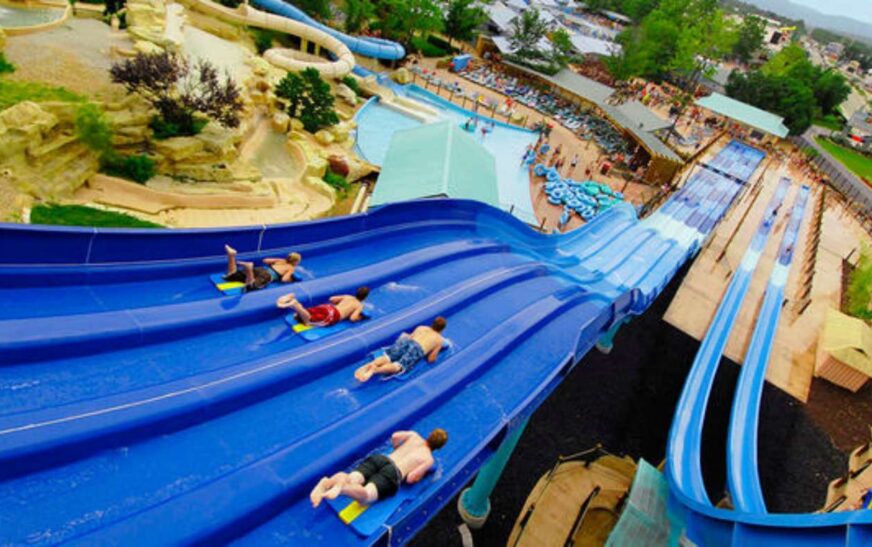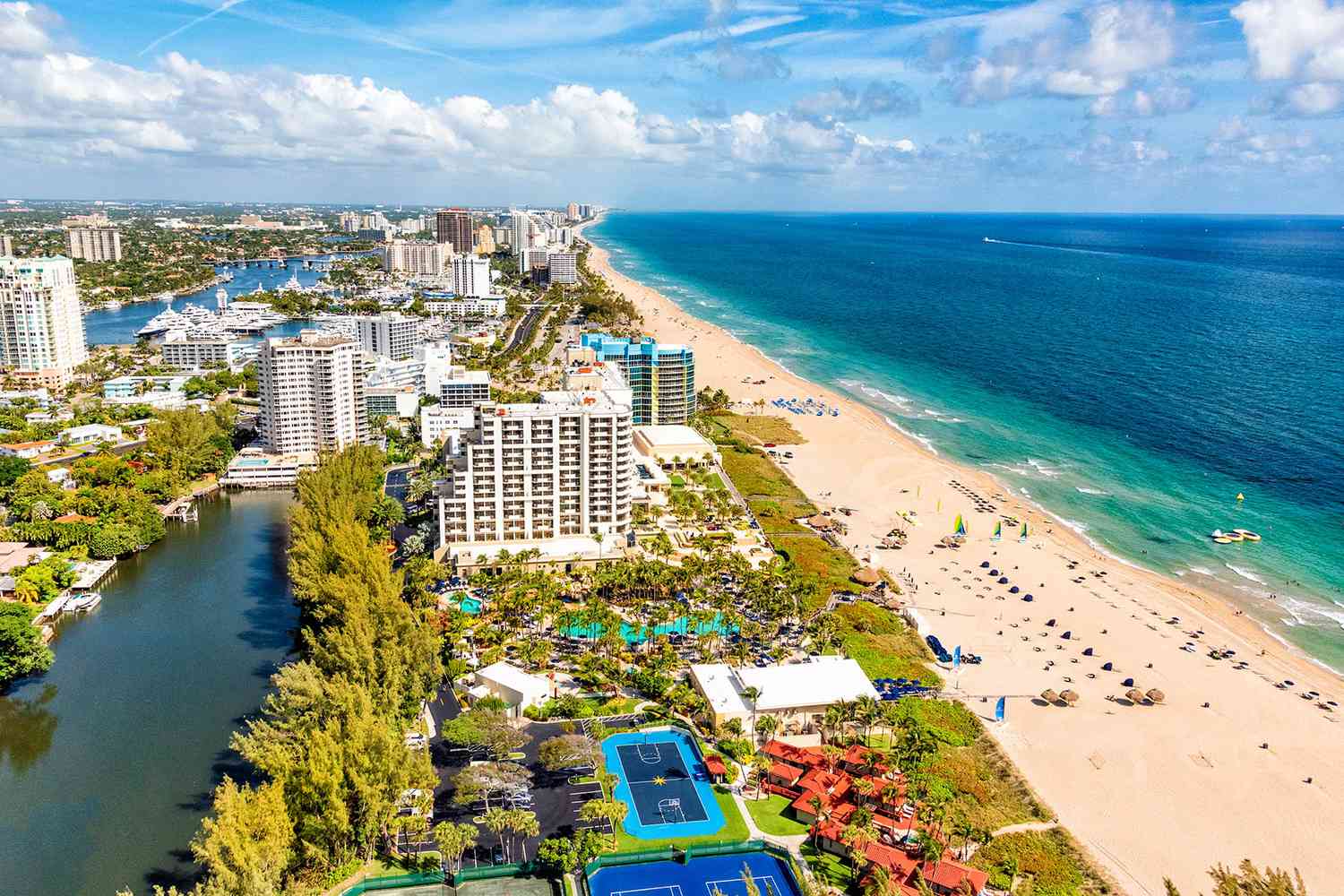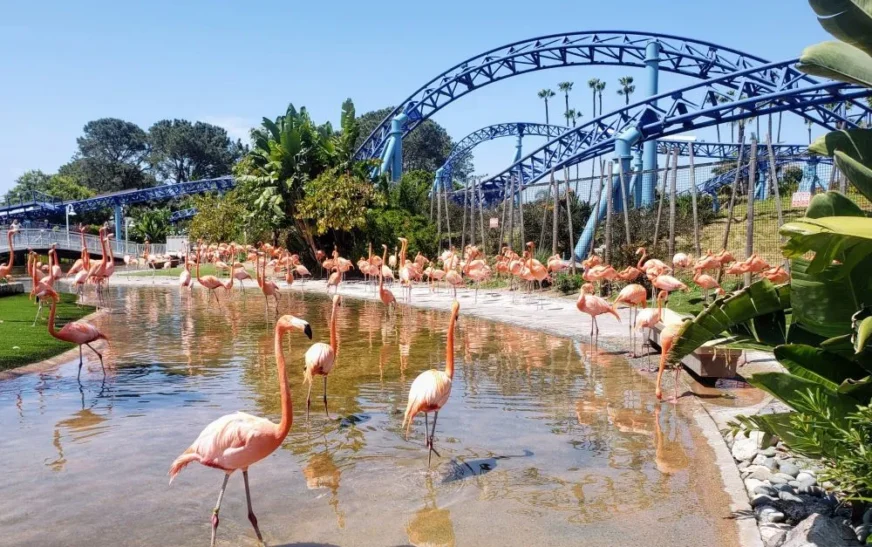
San Diego works for families because the city solves the two problems that break most family holidays: distance and heat. The major attractions cluster tightly — Balboa Park, the waterfront, Mission Bay and La Jolla sit within a short drive of each other — and the coastal climate keeps temperatures mild enough that a full day outdoors rarely becomes a battle against exhaustion. But “family-friendly” is not a single quality. A place that works brilliantly for a four-year-old can be a slog for a twelve-year-old, and an attraction that shines on a cool Tuesday morning can fall apart on a crowded Saturday afternoon in August.
This guide covers the places that genuinely earn a spot on a family itinerary, with the details that change a day out: how much walking is involved, where the shade runs out, which ages get the most from each stop, and what parents consistently flag after visiting. It also covers the practical scaffolding — when to come, where to base yourself, how to handle strollers and transport — because in San Diego those decisions shape the trip as much as the attraction list.
Balboa Park: The Family Anchor
Balboa Park is not one attraction. It is a 1,200-acre cultural campus containing the San Diego Zoo, more than a dozen museums, several gardens, playgrounds, a miniature train, a carousel and enough grassy lawn to absorb a full afternoon of unstructured running. The park itself is free to enter, and the free Balboa Park Tram loops around the main areas daily, which matters because the park is large enough that walking between the Zoo, the Fleet Science Center and the Japanese Friendship Garden adds up quickly for small legs.
Families who treat Balboa Park as a single stop usually end up seeing one museum and feeling rushed. Treating it as two or three half-day visits, each anchored to one museum plus playground time, works far better. The Zoo sits at the north end near the miniature train and carousel, while the museum cluster runs along El Prado and the Pan American Plaza. Parking is free but fills early on weekends and during school holidays; the Inspiration Point and Presidents Way lots are the ones to aim for if the main lot near the Zoo is closed.
San Diego Zoo
The Zoo is the single most demanding attraction on a family itinerary in terms of walking, and the one where planning changes the day most. It sits on roughly 100 acres of hilly terrain, with the main loop climbing and descending through canyons. A double-decker bus tour, included with admission, gives a 35-minute narrated overview and is the single best way to orient a family that has never been before — it covers much of the Zoo without the climbing. Stroller and wheelchair rentals are available at the entrance gate, and families consistently describe them as useful because of the terrain and the distances involved. You can bring your own food and snacks into the Zoo.
The pacing that works best for families with younger children is to arrive at opening, ride the bus tour first, then tackle one or two walking loops before lunch. The Skyfari aerial tram connects the two ends of the park and saves a long walk back uphill, which becomes valuable by early afternoon. Keeper Talks typically run around midday and give children a reason to stop and sit rather than keep moving. For families with children who struggle with heat, the Zoo’s canyon layout means the middle of the day can become uncomfortably warm even when the coast is cool; the shaded areas are unevenly distributed. Nighttime Zoo, running on selected dates through the summer, opens the park until 8 p.m. with live entertainment and is a genuinely different experience for families whose children do better in the evening.
San Diego Zoo Safari Park
The Safari Park in Escondido is a separate attraction from the Zoo, roughly 35 miles northeast, and it is the one families either love or find overwhelming depending on their expectations. It covers 1,800 acres of open-air habitats, which is eighteen times the size of the Zoo, and the scale is the point: giraffes, rhinos and elephants move across large enclosures rather than sitting in enclosures designed for close viewing. The Africa Tram, included with admission, circles the main savanna area and is the essential first move for any family with children too young to walk long distances. It also gives a better overview of the animals than walking the same paths would.
The park’s terrain is less canyon-like than the Zoo but the distances are longer and the sun exposure is greater. Families with children under five consistently recommend renting an electric scooter or bringing a stroller with good sun coverage. The park has several play areas — Mawazo Woods, the Village Playground, Discovery Area and Camp Play Area — that function as pressure-release valves for children who have reached their limit with animal viewing. “Little Zookeeper” activities let children feed small animals under supervision, which is the kind of hands-on stop that resets attention spans. The Denny Sanford Elephant Valley opened in March 2026 and adds a substantial new habitat to the park’s core offering. Safari experiences such as Caravan Safaris sell out, particularly on weekends and holidays, and should be booked well in advance if they are the reason for the visit.
Fleet Science Center
The Fleet is the Balboa Park museum that works hardest for mixed-age groups. It contains more than 100 interactive exhibits across multiple galleries, and the design is hands-on rather than glass-case. For families with children under six, Kid City — a child-sized grocery store and play space — is the specific draw, and parents describe it as the part of the museum that genuinely tires children out. The Heikoff Giant Dome Theater shows IMAX films; these are usually suitable for all ages, though the dome format can be overwhelming for very young children or those sensitive to motion. Admission for juniors aged 3–12 is $24.95, with children two and under free; the first Wednesday of each month runs extended hours until 8 p.m..
San Diego Natural History Museum (The Nat)
The Nat spreads across five floors and covers Southern California natural history from dinosaurs through to current wildfire ecology. The dinosaur skeletons and fossil exhibits are the reliable draw for primary-school-age children, and the giant-screen theater shows 2D and 3D films daily. For families with children on the autism spectrum, the museum opens early one Sunday per month for a quieter visit, which is a concrete accommodation that makes the museum accessible to families who would otherwise avoid the crowd noise. Nature and Me Storytime is recommended for ages 1–5 with an adult. Youth admission (3–17) is $16.95, with children two and under free, and an adult must accompany youth aged 15 and under.
San Diego Air & Space Museum
The Air & Space Museum occupies a large hangar-style building in Balboa Park’s Pan American Plaza and is best for children with an existing interest in aircraft, space or engineering. The collection includes planes, jets and spacecraft, and the museum has a dedicated children’s area called Moon Base where younger children can pretend to be on the moon. The Kid’s Aviation Action Hangar offers pedal planes and child-sized flight simulators, which is the part of the museum that holds attention for children who are not yet reading the exhibit labels. Youth admission (3–11) is $22, children two and under are free, and children under 12 must be accompanied by an adult.
San Diego Model Railroad Museum
At 28,000 square feet, this is the largest model railroad museum in the world, and the scale of the layouts is the reason it works for children. The four large-scale models depict Southwestern railroads with a level of detail that rewards slow looking, and the Toy Train Gallery has an interactive Lionel layout that children can operate. The museum is a reliable stop for families whose children are drawn to trains or miniatures, and it is compact enough to fit into a Balboa Park afternoon without demanding a full half-day. Children aged 12 and under enter free.
Museum of Us
The Museum of Us is an anthropology museum in the California Quadrangle, and it is the Balboa Park museum where age suitability matters most. Its exhibits — on topics including monsters, beer history, secrets and cannibalism — are designed for older children and teenagers rather than young children. The “Monsters!” exhibit covers mythical creatures including unicorns and werewolves without being frightening, and it is the part of the museum most likely to engage primary-school-age children. Families with children under eight will find more suitable options elsewhere in the park. Children aged five and under do not need an admission ticket, and the museum offers free admission on the fourth Tuesday of the month to San Diego residents.
Japanese Friendship Garden
The Japanese Friendship Garden is a quieter, slower stop that works as a contrast to the louder museums. It has a dedicated children’s area with activities designed to introduce Japanese culture through play, and the garden hosts a Cherry Blossom Festival in spring with face painting, temporary tattoos and a sticker bar in the Upper Garden Gallery. For families with children who need a low-stimulation break between busy attractions, the garden’s koi ponds, bamboo and tea house provide a different pace. Children aged six and under are free; adult admission is $16.
Balboa Park Miniature Train and Carousel
The miniature train and the 1910 carousel sit near the Zoo entrance and are the two attractions in Balboa Park that reliably work for toddlers and preschoolers. The train is one of only 50 models remaining, and the carousel is filled almost entirely with original European hand-crafted figures. Both are short, low-commitment rides that can be slotted in before or after a museum visit without disrupting the rest of the day. They are also the kind of thing that becomes a ritual — families with young children often ride them at the start of every Balboa Park visit.
Marie Hitchcock Puppet Theatre
The puppet theatre in Balboa Park runs shows that involve large-scale puppets and is aimed at younger children. It is a seated, indoor stop that gives parents a break and gives children a different form of entertainment from the museum circuit. Show times vary and should be checked before visiting; the theatre is small enough that it is worth arriving a little early.
The Waterfront: USS Midway, Maritime Museum and Seaport Village
The downtown waterfront concentrates several family attractions within walking distance of each other, which makes it one of the most efficient areas in the city for a full day out. The USS Midway, the Maritime Museum and Seaport Village sit along North Harbor Drive, and the Waterfront Park is a short walk inland.
USS Midway Museum
The USS Midway is an aircraft carrier converted into a museum, and the experience is defined by the physical reality of the ship: narrow corridors, steep stairs, low ceilings and a flight deck covered in aircraft that children can climb into and explore. For families with children aged roughly six and up, the flight deck is the highlight, and the museum’s three types of flight simulators, music videos, short films and climb-aboard aircraft give children multiple ways to engage beyond looking at exhibits.
The physical demands are the thing to plan around. The ship involves climbing up and down ladders and walking through confined interior spaces, and children must be accompanied by adults throughout. Strollers are difficult to manage on the ship’s stairs and narrow passages; families with very young children generally use a carrier rather than a stroller for this stop. Children aged five and under receive free admission, and the museum runs family-oriented activities throughout the year. Kids Free October offers two free child tickets (ages 6–12) with each paid adult ticket. The museum is open daily from 10 a.m. to 5 p.m., with last admission at 4 p.m..
Maritime Museum of San Diego
The Maritime Museum is a collection of historic ships docked along the Embarcadero, and the experience involves walking and climbing through the vessels rather than viewing them from a distance. The Star of India is the flagship, and the museum encourages hands-on exploration for families, with kid-friendly exhibits on maritime history and a 45-minute historic bay cruise included with some tickets. The physical demands are similar to the Midway — ladders, narrow passages, uneven surfaces — and children must be accompanied by adults. The museum is open daily from 10 a.m. to 5 p.m. Kids Free October offers two youth tickets (ages 17 and under) free with each paid adult admission.
Seaport Village
Seaport Village is a waterfront shopping and dining area with cobblestone walkways, a historic hand-carved carousel and open spaces where children can move around without being confined to a stroller. It is free to enter and functions as a low-pressure stop between the more structured museum visits. The carousel is the specific draw for younger children, and the dining options cover the range from quick snacks to sit-down meals. For families who need an hour of unstructured time by the water, Seaport Village does that without requiring a ticket or a plan.
Waterfront Park
The San Diego County Waterfront Park is a 12-acre public park at the County Administration Center, and it is the best free outdoor play space in the downtown area. The south end has a large playground with climbing structures, slides and a giant climbing net, along with a fountain that children can play in during warmer months. The north end has sports courts and an off-leash dog area. Picnic tables and grassy areas make it a viable lunch stop. For families combining the Maritime Museum or USS Midway with a playground break, this is directly across the street from the museum ships.
La Jolla: Cove, Aquarium and Coastal Exploration
La Jolla sits about 15 minutes north of downtown and combines two of the most family-accessible coastal experiences in the city: the Birch Aquarium and the tide pools at La Jolla Cove and La Jolla Shores. The area is also where sea lions and harbour seals haul out on the rocks, which for many children is the single most memorable wildlife encounter of a San Diego trip.
Birch Aquarium at Scripps
The Birch Aquarium is the public outreach centre for Scripps Institution of Oceanography, and it is smaller and more manageable than SeaWorld. It houses over 3,000 creatures from the cold-water Pacific Northwest to tropical Mexican waters, and the bluff-top location gives it some of the best coastal views in La Jolla. The aquarium is accredited by the Association of Zoos and Aquariums and is visited by more than 439,000 people each year, including over 40,000 schoolchildren.
For families, the aquarium works best as a half-day stop rather than a full day. Young children can participate in collaborative learning experiences such as Think Tank and Explore It, and the daily experiences — penguin feedings, kelp forest presentations and animal encounters — are the parts of the visit that give structure to the time. The aquarium has both indoor and outdoor exhibits, and the outdoor tide-pool plaza is a hands-on area where children can touch sea stars and other intertidal creatures under staff guidance. Admission is $16.50 for adults and $12 for children, and it is open daily from 9 a.m. to 5 p.m..
La Jolla Cove and Tide Pools
La Jolla Cove is a small, protected beach where the water is calm enough for young children to play in, and at low tide the surrounding rocks reveal tide pools with sea anemones, crabs and limpets. The Cove itself is a designated marine conservation area, and the sea lions that haul out on the rocks are the reason many families come. The viewing is from a distance — approaching the sea lions closely is not permitted and is unsafe — but the animals are close enough for children to see clearly.
The tide pooling is best at low tide, and the timing changes daily, so checking a tide chart before visiting is the difference between a good and a frustrating experience. Shell Beach and South Casa Beach, below Cuvier Park, are the most accessible entry points for families. The rocks are uneven and can be slippery, so children need closed-toe shoes rather than sandals. Parking near the Cove fills quickly on weekends and during summer; the La Jolla Shores area has more parking but is a longer walk from the Cove itself.
Children’s Pool Beach
The Children’s Pool, at 850 Coast Blvd, is a small beach with a seawall that was originally built to create a protected swimming area for children. Harbour seals now use the beach, and the seawall is the best place to watch them without disturbing the animals. The beach itself is closed to public access during harbour seal pupping season from December 15 through May 15 each year, so families visiting in winter and spring should plan to view from the seawall rather than access the sand.
Mission Bay and Mission Beach: Belmont Park and Waterfront Play
Mission Bay is the calm-water counterpart to the open ocean beaches, and Mission Beach is where the bay meets the Pacific. The area works for families because the bay side has gentle water for young children and the beach side has surf, and Belmont Park sits directly on the boardwalk between them.
Belmont Park
Belmont Park is a historic beachfront amusement park that is free to enter, which means families can walk through, use the play structure and eat without buying ride tickets. The centrepiece is the Giant Dipper, a 1925 wooden roller coaster with over 2,500 feet of track and top speeds around 48 mph; it is a genuine thrill ride rather than a gentle family coaster, and height requirements apply. The park has 12 rides and 6 attractions in total, including gentler options for younger children, an arcade, mini golf, a zip line and laser tag. A free-access play structure near Shipwreck Cove was added for younger visitors, which gives families with toddlers a reason to visit even if the rides are too much.
Belmont Park works best for families with a mix of ages: older children can ride the Giant Dipper while younger children use the play structure and the gentler rides. The boardwalk setting means the beach is directly accessible, so the day can combine rides and sand without a drive.
Mission Bay Beaches
The bay side of Mission Bay has calm, shallow water that is suitable for young children, and the sand is softer and less steep than the ocean beaches. Families with toddlers and preschoolers consistently prefer the bay side because the water does not have surf and the swimming areas are protected. The beaches have picnic areas, playgrounds and grassy spaces, and parking is generally easier than at the ocean beaches during peak times.
Point Loma: Cabrillo National Monument and the Old Lighthouse
Cabrillo National Monument sits at the tip of Point Loma and combines a historic lighthouse, tide pools and panoramic views of the harbour and the city. It is a national park site, which means it is managed differently from the commercial attractions: there are ranger programmes, a Junior Ranger badge programme and an Every Kid Outdoors pass that gives fourth graders and their families free access to national parks.
The Old Point Loma Lighthouse is the focal point of the monument. The lighthouse keepers’ quarters are furnished to show how a family lived there in the 1800s, and children can complete Junior Ranger activities about the children who grew up in the lighthouse. The tide pools below the monument are accessible via a road down to the shoreline and are another low-tide-dependent experience; the same timing logic applies as at La Jolla. Kids aged 15 and under receive free entry when arriving on foot or by bicycle with a paid adult. The monument is exposed to wind and sun, and the temperature can be noticeably cooler than inland.
Old Town San Diego: History, Food and the Trolley
Old Town San Diego State Historic Park is the birthplace of California, and it functions as a walkable, low-cost half-day stop where the main activities are strolling, eating and exploring historic buildings. The park contains a collection of preserved buildings that map the city’s history between 1820 and 1870, and the streets are filled with Mexican restaurants, shops and museums. For families, the appeal is that it is free to enter, compact and does not require a ticket or a timed entry. A walking history tour runs on selected dates and is described as family-friendly and suitable for all ages.
Old Town is also the starting point for the Old Town Trolley Tours, a hop-on hop-off service that connects the major attractions. The trolley is a practical way to move between Old Town, the waterfront and Balboa Park without dealing with parking, and it is wheelchair accessible with space for strollers. Children under 12 ride free in October with a paying adult, and children under 4 ride free year-round.
Carlsbad: LEGOLAND, Flower Fields and the Museum of Making Music
Carlsbad is about 35 miles north of downtown San Diego and has its own cluster of family attractions. Families planning to visit LEGOLAND should consider staying in Carlsbad rather than downtown, because the drive becomes a daily commute otherwise.
LEGOLAND California
LEGOLAND California is designed specifically for children aged 2–12, with more than 60 rides, shows and attractions. The park’s own guidance is that two days are needed to experience everything, and that one day covers the highlights if families plan carefully. The critical planning move is to prioritise must-do rides in the morning when queues are shorter, then use the afternoon for MINILAND USA and live shows. The LEGOLAND app provides real-time ride waits and maps, which is more useful here than at smaller parks because the ride selection is large.
The park has a separate Water Park and SEA LIFE Aquarium, both of which require separate tickets. Families with children who are strong swimmers and comfortable with water slides get more value from a two-day visit that includes the Water Park. The Baby Care Center in Fun Town provides a nursing and changing area, and children aged three and older require separate admission. The space-themed land LEGO Galaxy opened in March 2026 and includes a flight-training simulator designed for younger children.
SEA LIFE Carlsbad Aquarium
SEA LIFE is a smaller, more contained aquarium adjacent to LEGOLAND, and it works as a half-day or add-on visit rather than a standalone destination. It covers over 350 species and 5,000 creatures across two levels, with themed touch pools where children can handle starfish, urchins and sea cucumbers under staff supervision. The aquarium is designed around a child’s voyage of discovery, with play zones, fun facts and quiz trails. Families typically spend one to two hours here, though it can stretch to three if children engage with all the interactive elements.
The Flower Fields
The Flower Fields in Carlsbad run from March 1 to May 10 and cover 50 acres with 80 million ranunculus blooms. The attraction is seasonal, which means it either fits the trip or it does not, and it is worth planning around if visiting in spring. Family-friendly activities include a tractor wagon ride through the rows of flowers, a Sweet Pea Maze, a children’s playground and a scavenger hunt that takes children around the field. Children under three are free, and adult tickets are around $27 with children’s tickets around $17. The fields are exposed with limited shade, so visiting in the morning or on a cooler day makes a difference for young children.
Museum of Making Music
The Museum of Making Music in Carlsbad celebrates the history of the music products industry and has a dedicated children’s room where children can play instruments including synthesisers and light and sound controls. It is a smaller museum — an hour or so covers it — and it works best for families with children who are interested in music or who enjoy hands-on exploration. Reviews are mixed on age suitability: some families with children under 10 find it less engaging than expected, while others report that the interactive music room is the highlight. Children aged three and under are free, and admission is $10 for students and military.
Leo Carrillo Ranch Historic Park
Leo Carrillo Ranch is a 27-acre historic park in Carlsbad with adobe buildings, gardens and roaming peacocks. The park is free to enter and works as a low-key stop where children can spot peacocks, explore the ranch buildings and picnic on the grass. It is not a full-day attraction, and families should treat it as a pleasant hour or two rather than a destination. The ranch also runs children’s programmes including hands-on animal encounters for ages 5–12 and summer camps that combine history and art.
SeaWorld San Diego
SeaWorld is the largest marine park in San Diego and combines animal exhibits, shows and rides in a single location. The park works best for families with children across a wide age range because the offerings split cleanly: Sesame Street Bay of Play is the area for younger children, with character meet-and-greets and gentle rides, while the coasters and thrill rides are for older children and teenagers. The interactive exhibits — Explorer’s Reef Touchpools and Sea Lion Point — are the parts of the park that engage children who are not tall enough for the rides.
SeaWorld does not allow outside food into the park beyond small baby items and medication, so families planning a full day should budget for meals inside. Refillable water bottles are useful because the park has water stations. Stroller rentals are available inside the park at the rental shop near Guest Services, and guests must be 18 or older to rent. SeaWorld is included in the CityPASS and Go City San Diego passes, which can reduce the cost if families are visiting multiple attractions.
Sesame Place San Diego
Sesame Place in Chula Vista is a theme park designed specifically for young children, and it is the only theme park in San Diego designated as a Certified Autism Center. The park has 18 Sesame Street-themed rides and water attractions, including a family-friendly roller coaster and a Sesame Street Party Parade. The height requirements are structured for young children: some rides require a height of 38 inches, and guests under 42 inches must be accompanied by a supervising companion. For families with children with autism or sensory processing differences, the Certified Autism Center designation means staff have been trained in autism awareness and the park has accommodations in place.
Torrey Pines State Natural Reserve
Torrey Pines is a 1,750-acre coastal reserve on the cliffs above Torrey Pines State Beach, and it is the best hiking option for families who want a coastal walk without a long drive. The reserve protects the rare Torrey pine, and the trails have ocean views at almost every turn. The Red Butte, Razor Point and Yucca Point Trail is a 1.9-mile route that is generally considered family-friendly, though some sections have steps. The reserve recommends one adult chaperone for every eight children and splitting into smaller groups of eight or fewer while hiking. The terrain is exposed and the trails are sandy in places; closed-toe shoes, water and sun protection are necessary. The reserve is free to enter for walkers, though there is a parking fee at the lot near the beach.
Coronado Island
Coronado is a peninsula across the bay from downtown, and the main family attractions are the beach and the ferry ride. Coronado Central Beach is wide, clean and has calm waves, with the Hotel del Coronado as its backdrop. The beach is one of the most family-friendly in the county because the sand is soft, the slope is gentle and the water is typically calm enough for young children to play at the edge.
The Coronado Ferry runs from the Broadway Pier and the Convention Center to Coronado and takes about 15 minutes. It costs $4.25 per person each way, with children under four free, and runs from 9 a.m. to around 10 p.m. depending on the day. The ferry is a practical alternative to driving and crossing the bridge, and for children the boat ride is part of the experience. The Coronado Ferry Landing has shops and restaurants, and the beach is a short walk or drive from the landing.
Whale Watching and Bay Tours
Whale watching from San Diego runs year-round, with different species passing through at different times. The tours typically last three hours and depart from Mission Bay or the harbour, and the boats have indoor and outdoor seating. Families with children aged roughly five and up generally do well on these tours, and reviews consistently mention that children enjoy the dolphins even when whales are not sighted. Children aged three and under are typically free, and reduced rates apply for children aged 4–12. Bring layers: the water can be cool and windy even when the shore is warm.
The San Diego SEAL Tour is a different kind of boat experience: an amphibious vehicle that drives through the city streets and then splashes into the bay. It departs from Seaport Village and combines land and water sightseeing in a single tour, which keeps children engaged because the format changes partway through. Infant admission covers ages 0–3, child admission covers ages 4–12, and adult admission applies from age 13. Strollers are allowed on board, and the tour is described as suitable for families with children of all ages.
Petco Park: Baseball for Families
Petco Park, the home of the San Diego Padres, is one of the most family-friendly ballparks in the United States. Gallagher Square, the area beyond the outfield, has a playground, a mini-baseball field and a wiffle ball field where children can play during games. The park runs guided tours on non-game days that take visitors behind the scenes, and child tickets (ages 3–12) are available at a reduced rate. For families who are not baseball fans, the tour is still a good way to see the stadium; for families who are, a game is a full evening of entertainment that does not require children to sit still for nine innings because the play areas give them somewhere to go between innings.
Knott’s Berry Farm
Knott’s Berry Farm is in Buena Park, roughly 90 minutes north of San Diego, and it is not a San Diego attraction in the strict sense. Families who are already planning to visit Anaheim or Los Angeles sometimes add it, and it is included in the Go City San Diego All-Inclusive Pass, which is why it appears on San Diego attraction lists. For families based in San Diego, the drive makes it a full-day commitment. Camp Snoopy is the area for younger children, with gentle rides and character interactions, while the rest of the park has coasters and thrill rides for older children. Families who are not already heading north should treat this as optional rather than core.
Best Time to Visit San Diego for Families
San Diego’s climate is mild enough that there is no bad season, but there are better and worse times for families depending on crowds, prices and what is open. Spring (March–May) and autumn (September–November) are the sweet spots: temperatures are comfortable, crowds are lighter than in summer, and accommodation is cheaper. The Flower Fields are open in spring, which is a specific draw for families visiting between March and May. Autumn has warm ocean water and fewer visitors, and September is often described as the best single month for a family visit.
Summer (June–August) is peak season. The weather is warm, the beaches are at their best for swimming, and all attractions are on full schedules. The trade-offs are crowd levels and prices: July alone brings around 4 million visitors to the city. Families who visit in summer should arrive at major attractions at opening, use the mornings for the most popular rides and exhibits, and plan indoor or water-based activities for the hottest part of the day. Winter (December–February) is mild and quieter, with whale-watching season running through the winter months. Rain is possible but rarely persistent, and the main outdoor attractions remain open.
October is worth calling out separately for families because several major attractions run Kids Free October promotions: the San Diego Zoo, USS Midway, Maritime Museum, Old Town Trolley and others offer free child admission with a paid adult. The exact terms vary by attraction, but the pattern is consistent enough that families with flexibility should consider October seriously.
Where to Stay in San Diego with Children
The right base depends on which attractions matter most. Families planning to spend most of their time at Balboa Park, the Zoo and the waterfront should stay downtown or in Mission Valley, which puts them within 15–20 minutes of most of the central attractions. Families focused on LEGOLAND and the Flower Fields should stay in Carlsbad, because the drive from downtown to Carlsbad is 35 miles and doing it twice a day becomes a chore. Families who want beach time and easy access to both SeaWorld and La Jolla should look at Mission Bay, which sits between the two.
Downtown San Diego has the advantage of walkability: the USS Midway, Maritime Museum, Seaport Village, Waterfront Park and Petco Park are all within walking distance of each other, and the Old Town Trolley connects downtown to Balboa Park and Old Town. Hotels with kitchenettes or suites are common in Mission Valley, which reduces food costs for families and gives children space to decompress between activities. Mission Bay hotels often have pools and beach access, which matters for families who want a rest day between theme parks. Carlsbad has a concentration of hotels near LEGOLAND, including on-site options that allow families to walk to the park rather than drive.
San Diego does not have true all-inclusive resorts, but it does have family vacation packages that bundle hotel stays with attraction tickets. The Go City San Diego All-Inclusive Pass covers more than 45 attractions including the Zoo, SeaWorld, LEGOLAND and the Safari Park, and can reduce costs significantly for families planning to visit multiple paid attractions. The San Diego CityPASS offers a smaller selection of attractions at a fixed price and works better for families with a shorter itinerary. Families should compare the cost of the pass against the number of attractions they genuinely plan to visit, because a pass that includes attractions you will not use is not a saving.
Practical Notes for Families
Stroller rental is available at the major attractions — the Zoo, Safari Park, SeaWorld and LEGOLAND all have rental options at the entrance — but families who need a stroller for the full trip often rent from a local baby equipment company that delivers to hotels. Several San Diego companies rent strollers, cribs, car seats and beach equipment with delivery and pickup, which avoids the hassle of travelling with gear.
Parking at the major attractions is expensive and fills quickly during peak season. The Zoo and Balboa Park have free parking but the lots fill by mid-morning on weekends and holidays. SeaWorld, LEGOLAND and the Safari Park charge for parking and the lots are large enough that a stroller is useful just for getting from the car to the entrance. The Old Town Trolley is a practical alternative for families who want to visit multiple downtown attractions without moving the car between them.
The sun in San Diego is stronger than the coastal breeze suggests, and children burn more easily than parents expect. Sunscreen, hats and refillable water bottles should be part of every day’s kit, particularly for the Safari Park, Torrey Pines and the beaches, where shade is limited. The marine layer — the low cloud that often sits over the coast in the morning — usually burns off by midday, but it can make the morning feel cooler than it is, which leads to underdressing for the afternoon.
Feeding and changing facilities are available at the major attractions. LEGOLAND has a Baby Care Center in Fun Town, SeaWorld has facilities near Guest Services, and the Zoo and Safari Park have family restrooms. The New Children’s Museum in downtown San Diego is another indoor option with a family-friendly restaurant and a children’s store, and it operates on a Tuesday-closed schedule with sessions from 9 a.m. to 4 p.m.. For families with children who need a quieter, lower-stimulation environment, The Nat runs early-opening autism-friendly Sundays, and Sesame Place is a Certified Autism Center, which makes both worth considering if sensory load is a planning factor.